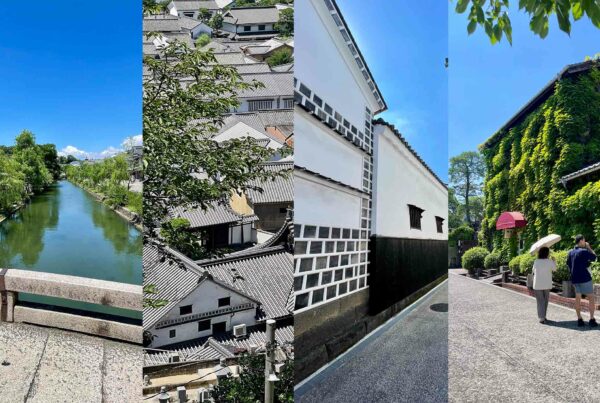
I thought I was coming for a walk in a garden. A few hours later, after looking at the map for the umpteenth time to figure out why I was passing somewhere I had already been, I had to slightly reconsider my definition of the word “walk.”
The Montreal Botanical Garden is huge. Not just big in the sense that the different areas are far apart, but dense: one path hides another, one garden leads to a new collection, and every time I think I’ve more or less explored an area, I discover something I hadn’t seen.
I’m going to walk a lot that day. And, above all, do an impressive amount of backtracking.
I came on a weekday, which makes the visit particularly pleasant. There are visitors, of course, but they quickly spread out across the vast grounds, and some paths are almost deserted. Montreal feels far away even though I’m still in the city. Instead of traffic, I mostly hear birds and the constant sound of cicadas in the trees.
Every now and then, something moves in the grass. Tiny rodents that look like miniature squirrels dart across the paths before disappearing beneath the plants. Sometimes I try to follow them with my eyes, but they are much faster than I am. Here in Montreal, people call them “Suisses.”
The day starts like that, without any particularly spectacular event. I walk, I observe, I turn toward whatever catches my attention.
And plenty of things catch my attention.
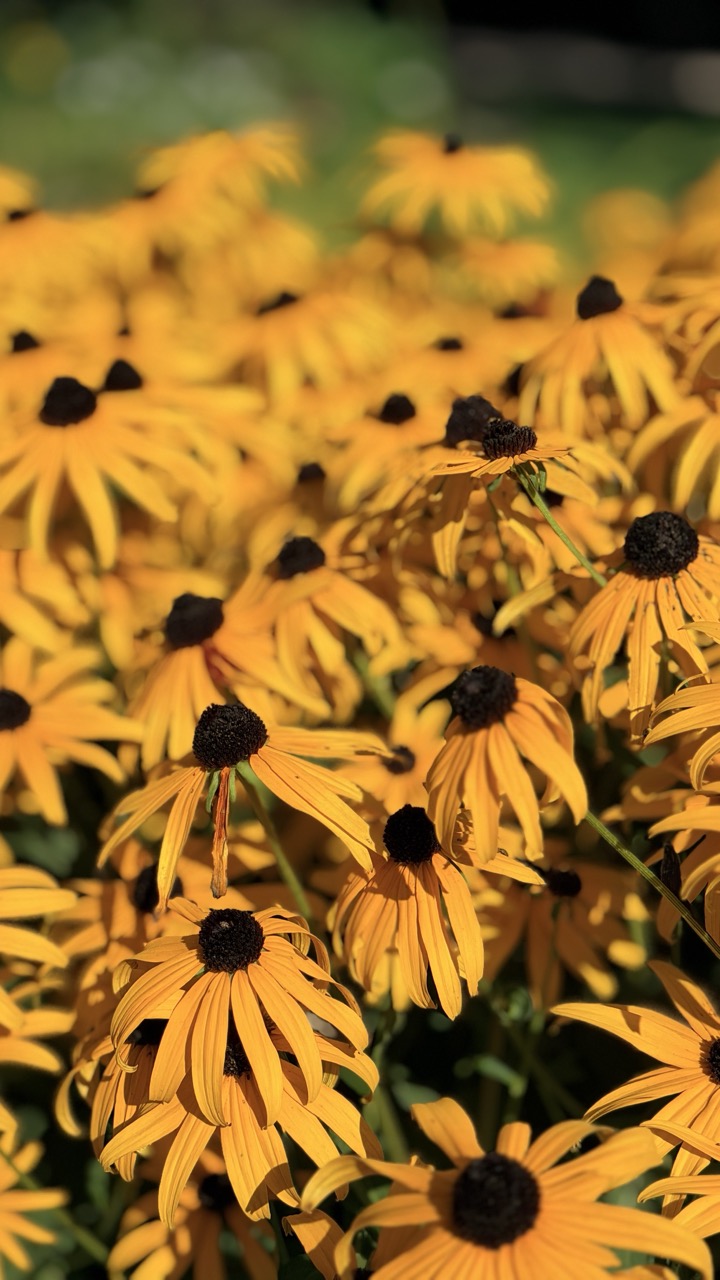
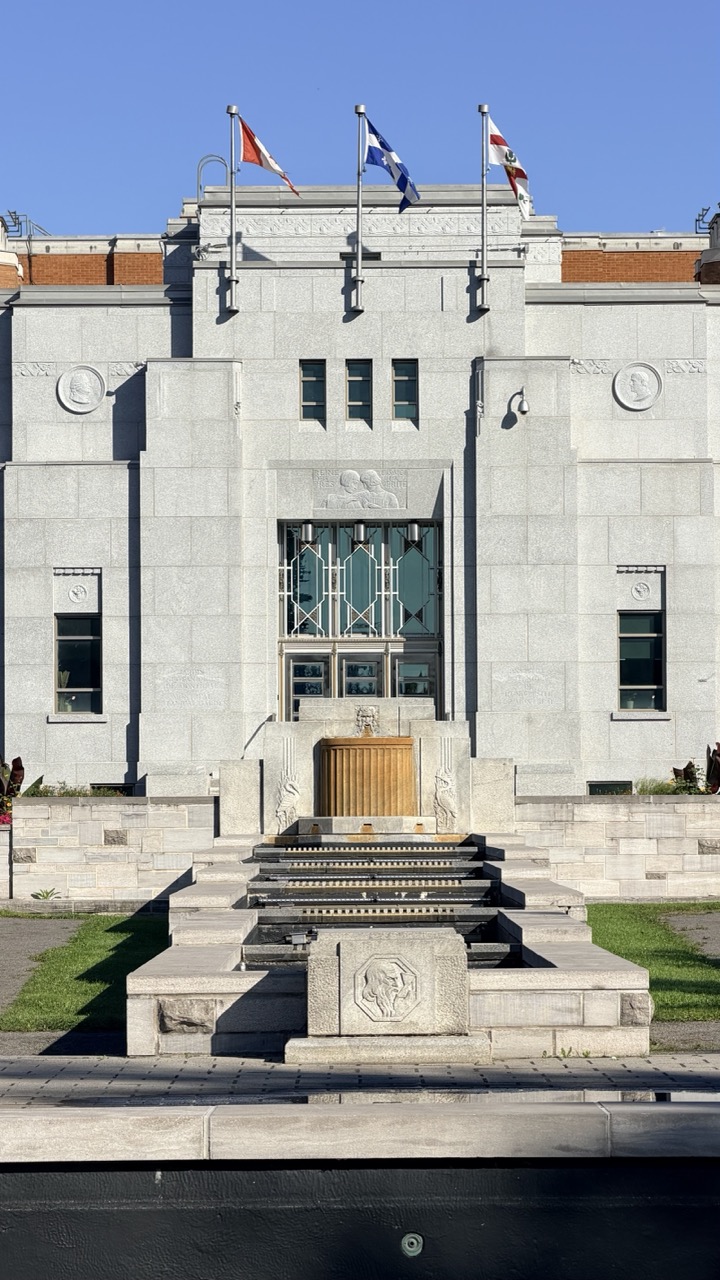
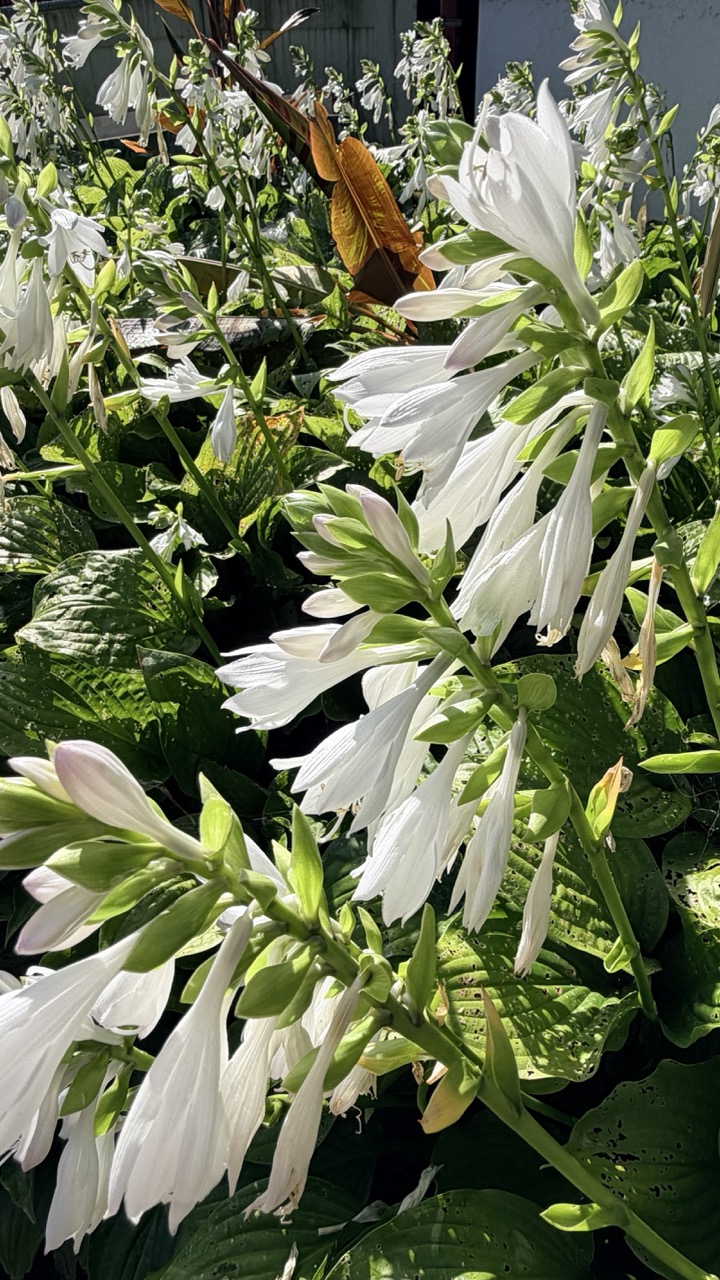
Much More Than a Collection of Pretty Flowers
Before coming here, I probably had a rather simplified idea of what a botanical garden was. Flowers, trees, rare plants, beautiful landscaping.
Montreal obviously has all of that, but I quickly discover that the garden is far more varied.
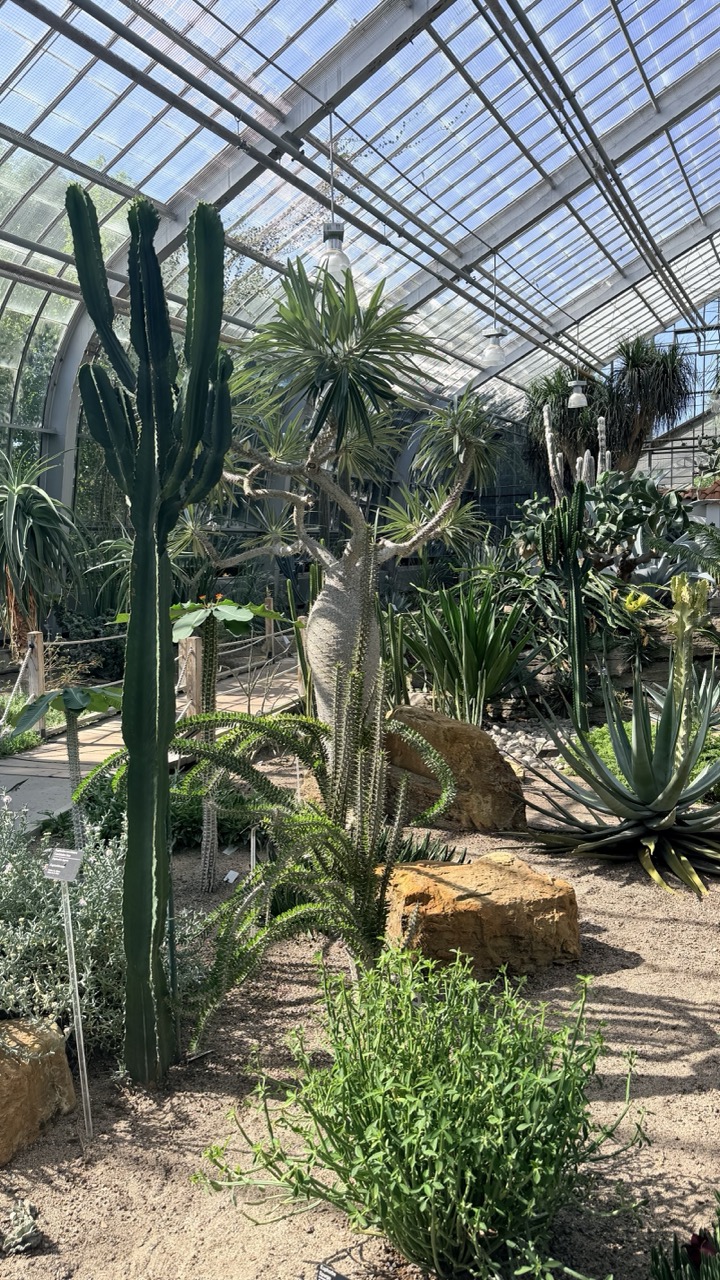
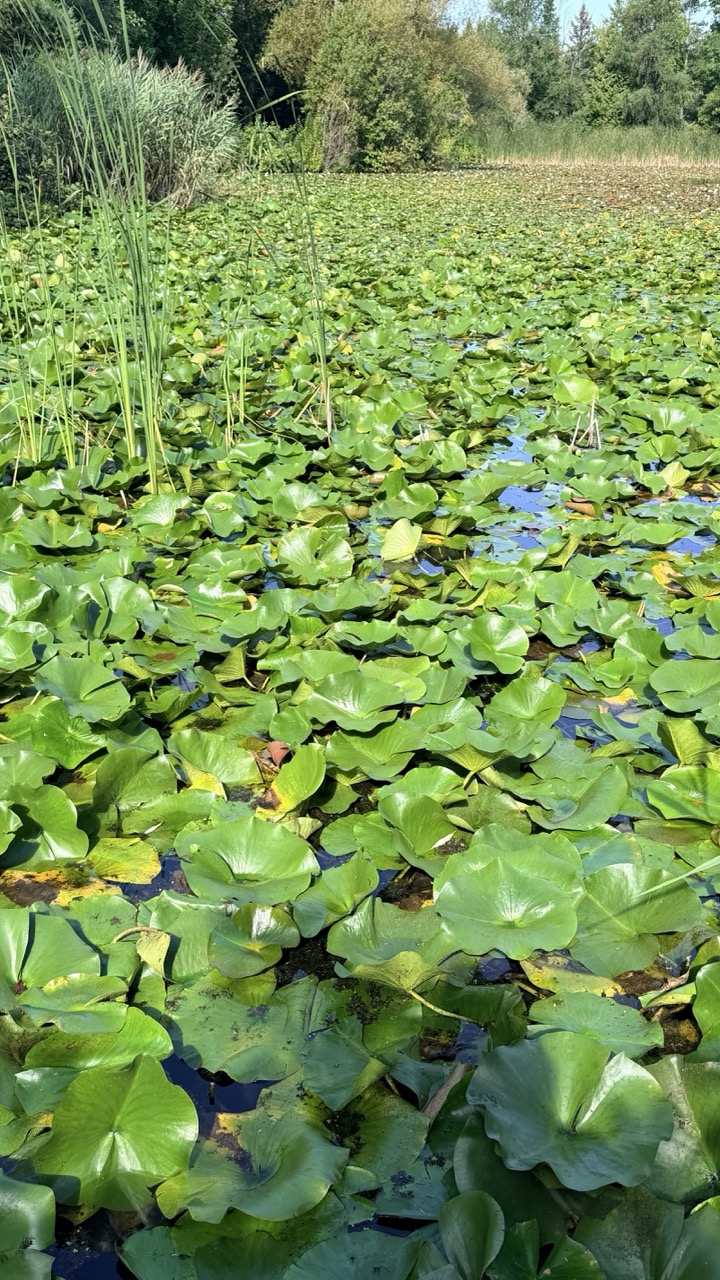
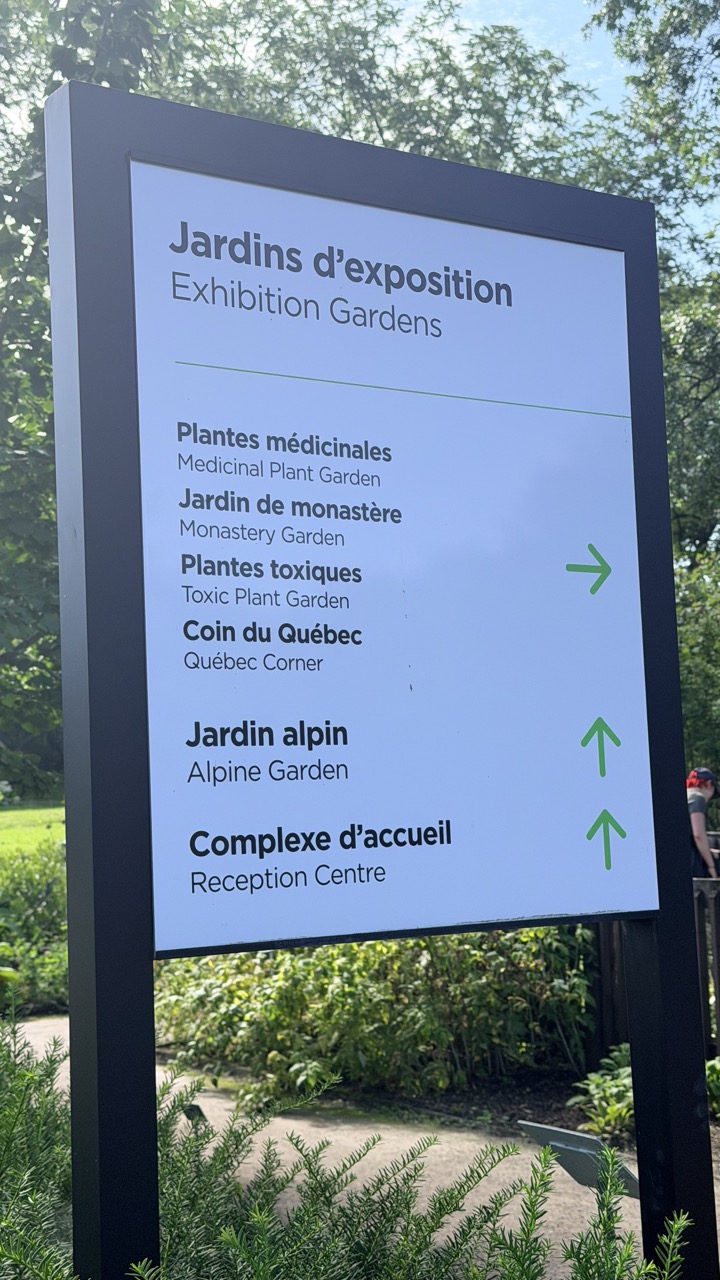
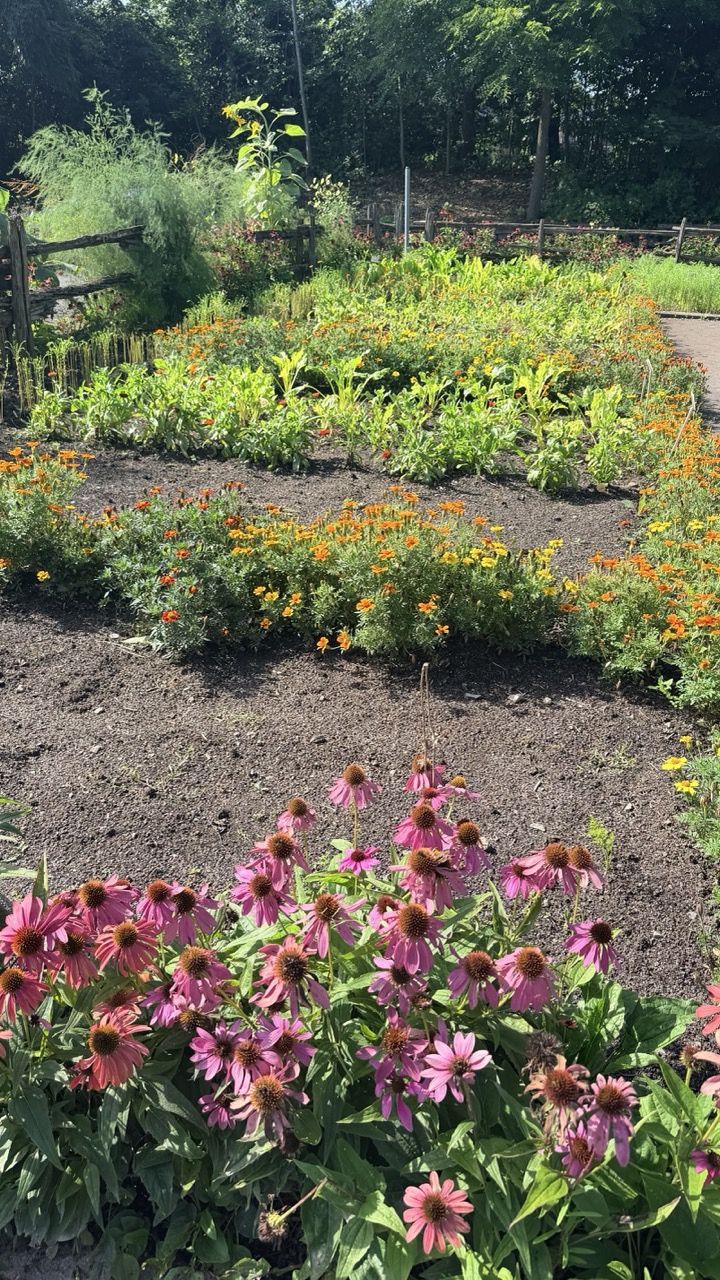
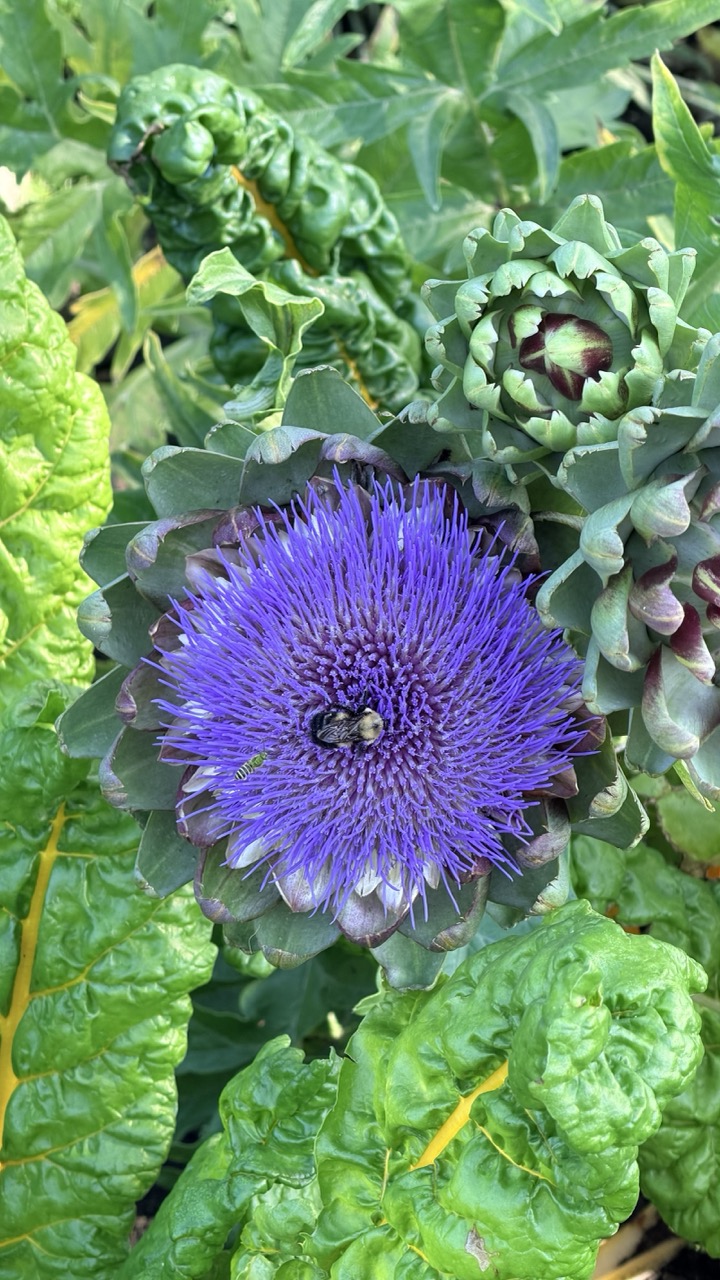
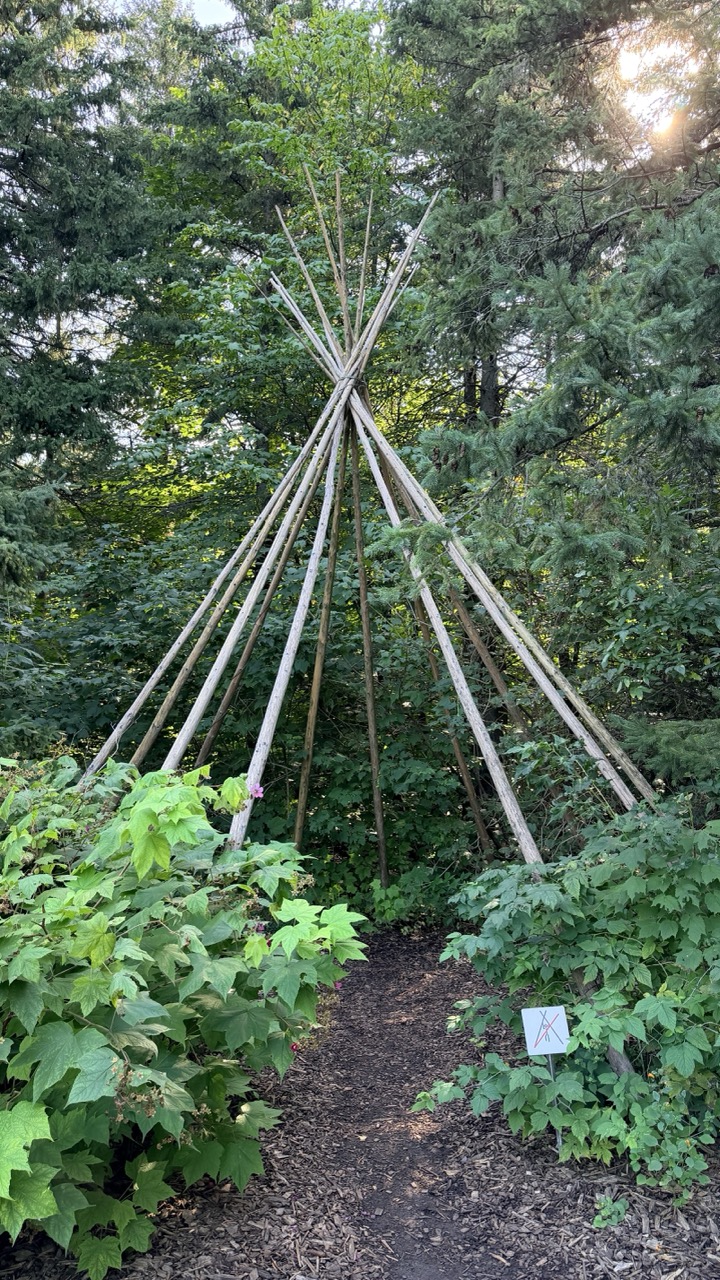
The Rose Garden sits alongside the Aquatic Garden, the Shade Garden, the Alpine Garden and the Edible Garden. Farther on, there is the Chinese Garden, the Japanese Garden and the First Nations Garden. There are also much smaller areas devoted to medicinal plants, toxic plants and plants traditionally grown in monasteries.
As I make my way through the garden, I move from one world to another with almost no transition. That also explains why the visit takes so long.
I could obviously walk through some of the collections in just a few minutes, but as soon as I start reading the little signs, it’s over. My progress slows down considerably.
Because a plant immediately becomes much more interesting once you discover what it can do.
A Little Detour Among the Toxic Plants
I’m not entirely sure why, but the Toxic Plants Garden is one of those places that immediately sparks my curiosity.
Probably because there is something rather strange about casually strolling among plants while knowing that some of them could cause serious poisoning.
And they are simply there, in their flower beds, completely accessible.
I find the situation almost amusing. We are so used to associating the words “botanical garden” with something peaceful and harmless that discovering an entire collection devoted to potentially dangerous plants creates an interesting contrast.
So I start reading the names.
There is poison hemlock, Conium maculatum, an extremely toxic plant in its entirety that can cause fatal poisoning. Red baneberry, Actaea rubra, looks much more innocent with its small red berries, yet they are toxic to humans. Poison sumac contains urushiol, an irritating substance also found in poison ivy.
And, sure enough, there is poison ivy too.
At that point, I may be looking at the plants with slightly less desire to touch their leaves.
This garden has existed since 1940 and contains around forty taxa. Its purpose is precisely to show that toxic plants are not necessarily exotic species with threatening appearances. Some grow in our everyday environments, and a plant can be dangerous if ingested, through skin contact in some cases, depending on the part of the plant and its stage of development.
I find it fascinating. Not enough to test anything, obviously. But enough to spend much longer than expected standing in front of a few flower beds.
Just a Few Metres Between Poison and Medicine
Right next door, the Medicinal Plants Garden adds another dimension to the story.
And the boundary between the two worlds is ultimately much less clear than you might think.
Foxglove is an excellent example. Its bell-shaped flowers are beautiful, but the entire plant is toxic. And yet some of its compounds have also been used in pharmacology to produce medicines.
Everything depends on the substance, the preparation and, above all, the dose.
The garden contains around 75 species and tells the story of this extremely ancient relationship between humans and plants. Long before modern pharmacies existed, plants were among the main resources available to people trying to relieve or treat certain illnesses. In the 19th century, scientific advances then made it possible to isolate certain active compounds and better understand what lay behind practices that had sometimes been passed down for generations.
I recognise much more familiar names, such as chamomile and St. John’s wort, but I look at them differently in this context.
What I especially like here is the proximity between the medicinal plants and the toxic plants.
Just a few steps apart, the same idea appears in two different forms: nature is neither a benevolent pharmacy nor something dangerous we should constantly be afraid of. It simply contains molecules whose effects depend enormously on how we use them.
I continue on my way with one certainty: reading signs in a botanical garden is not actually that boring.
A Little Detour Through the Middle Ages
Not far away, I come across another area I wasn’t really expecting: the Monastery Garden.
The setting changes again.
A well stands in the centre, surrounded by geometric beds filled with medicinal, aromatic, edible, dye and fibre plants.
The garden is inspired by the monastery gardens of the Middle Ages, a time when growing plants was obviously not simply about aesthetics. People grew what they needed for food, medicine, fragrances, dyes and materials.
And there is a rather amusing connection between those old gardens and the one I am walking through now: from the 16th century onward, some medicinal plant gardens began welcoming species brought back by European explorers. They would gradually contribute to the development of what we now call botanical gardens.
I find this kind of historical detour much more interesting when it appears like this, right in the middle of a walk.
A few metres ago, I was looking at poison hemlock.
Now I’m imagining monks growing their remedies around a well.
And I’ve still only seen a small part of the garden.
A Complete Change of Scenery
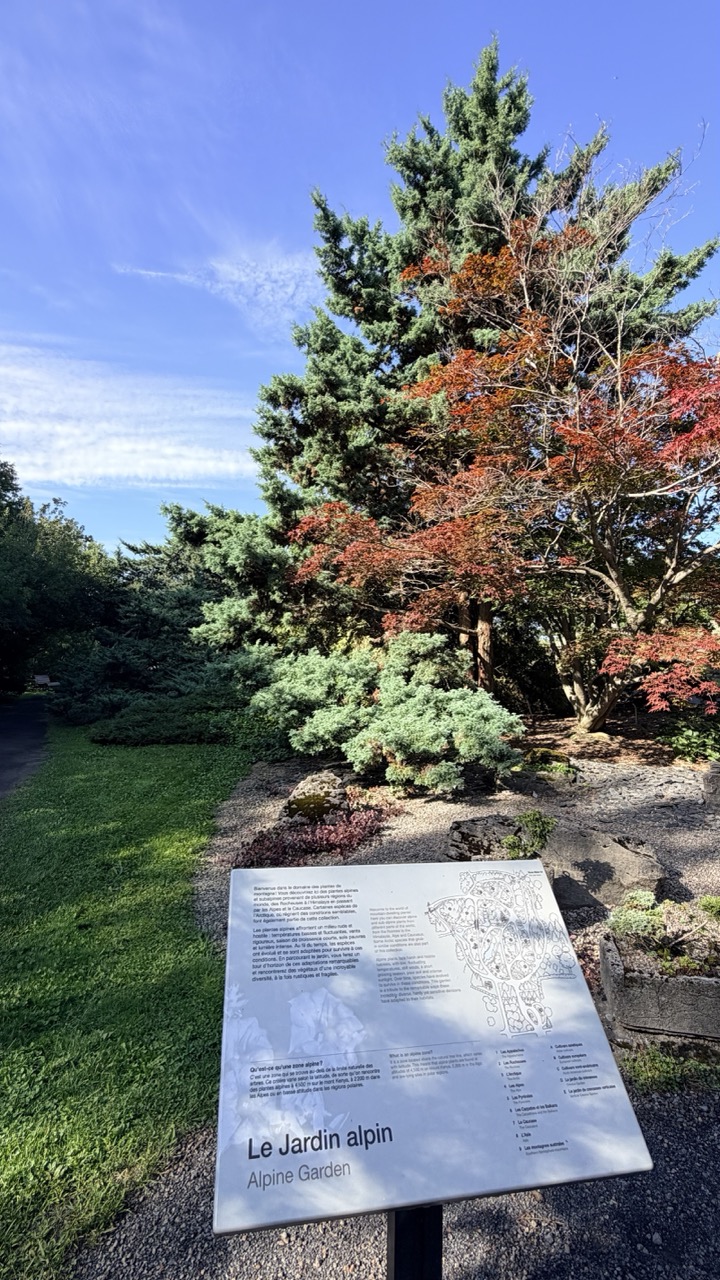
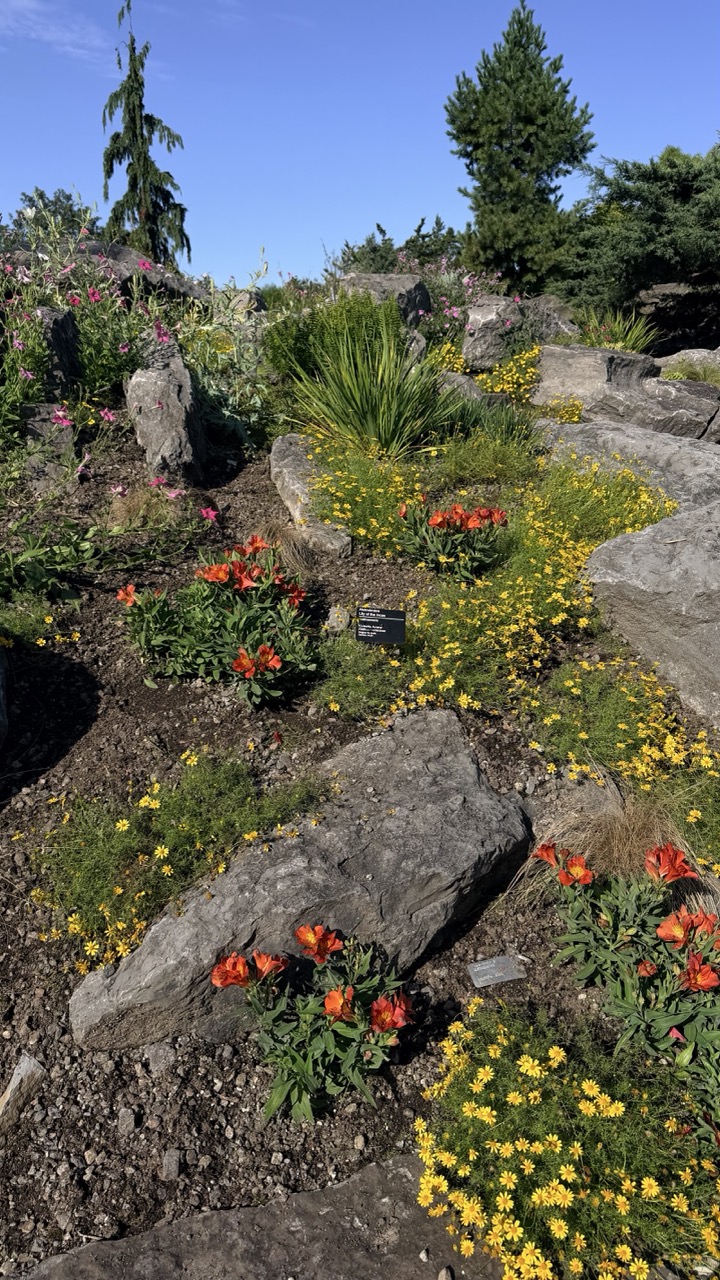
Farther on, the Alpine Garden offers another surprise.
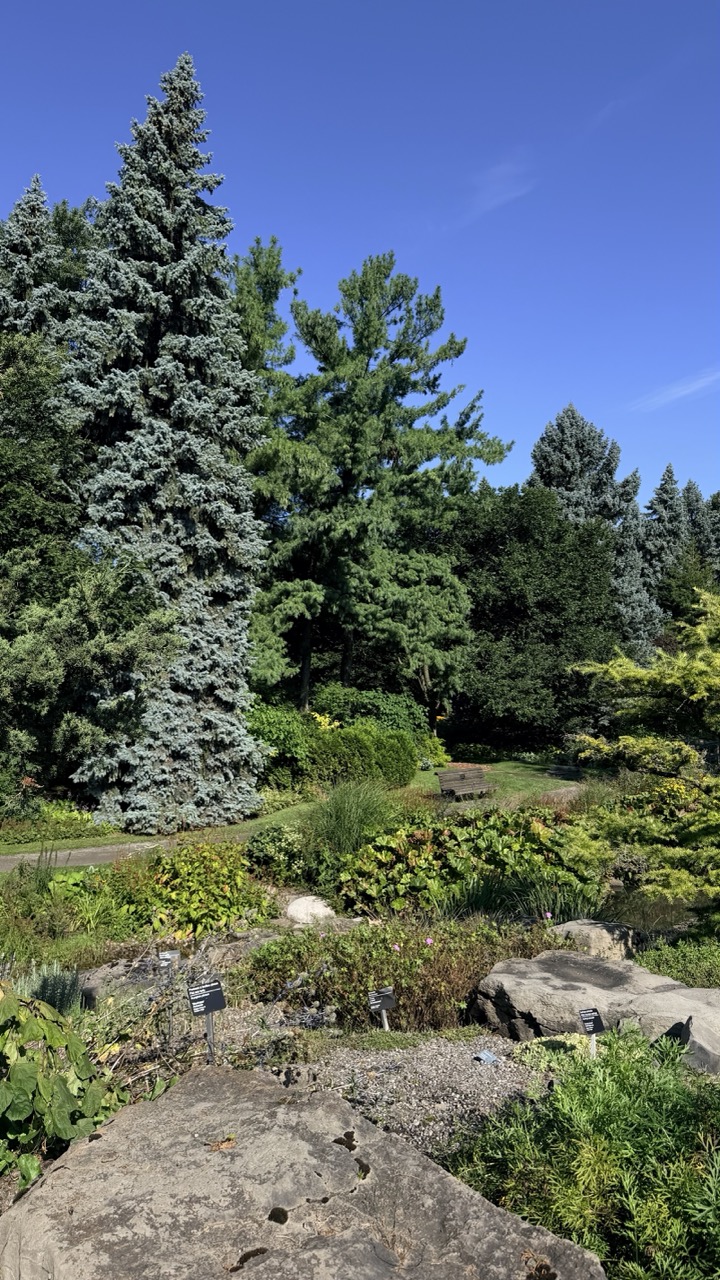
It contains more than 2,000 species and aims to recreate the specific conditions in which plants from mountainous regions grow. The landscape becomes rockier, the plants lower to the ground, sometimes tiny.
It is one of those places where you can easily miss a lot if you walk too quickly.
Mountain landscapes have accompanied me on so many of my travels since 2014. The Andes in particular, with their vast expanses, sudden changes in weather and vegetation capable of growing in places where, at first glance, nothing seems particularly welcoming.
So naturally, I don’t look at an alpine garden in the same way as someone discovering this kind of environment for the first time.
And that feeling becomes even more obvious when I reach the large cultural gardens.
The Japanese Garden, the Chinese Garden… and How My Perspective Has Changed
They are beautiful. Let me repeat that: they are beautiful.
That needs to be said first because I have absolutely no desire to play the jaded traveller who has seen so much of the world that nothing can impress her anymore. That would be untrue and, above all, rather unbearable.
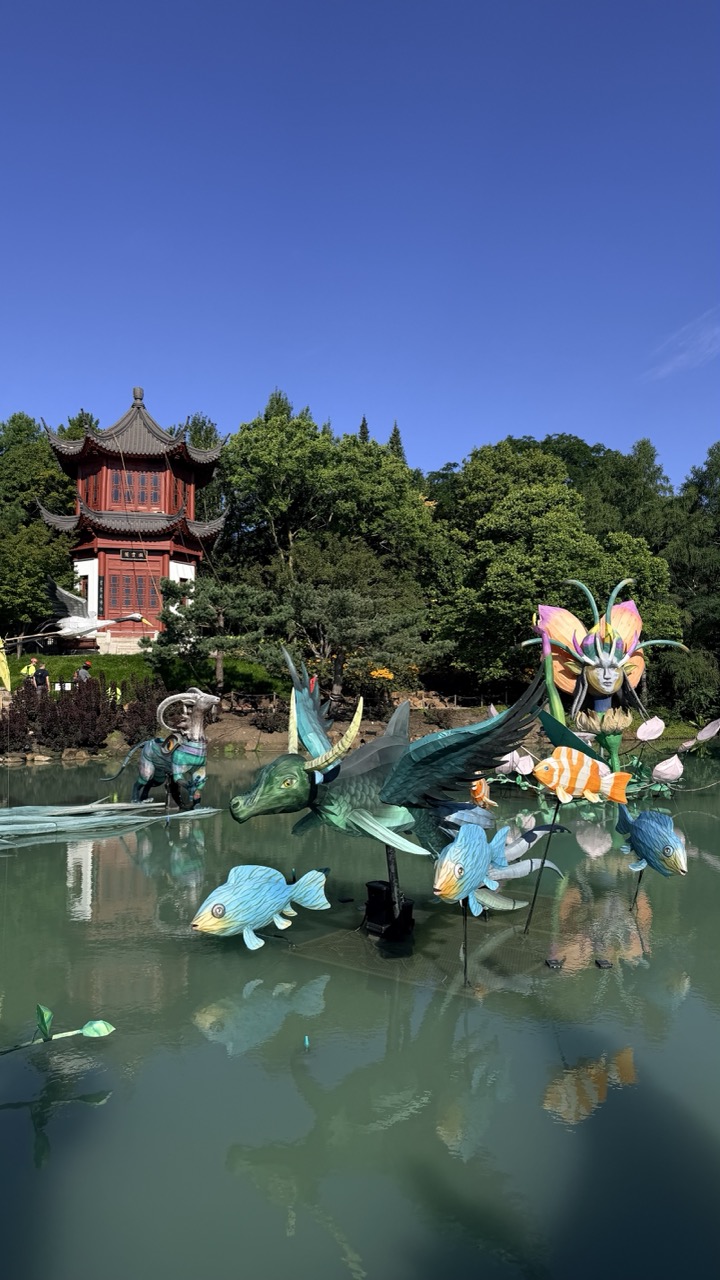
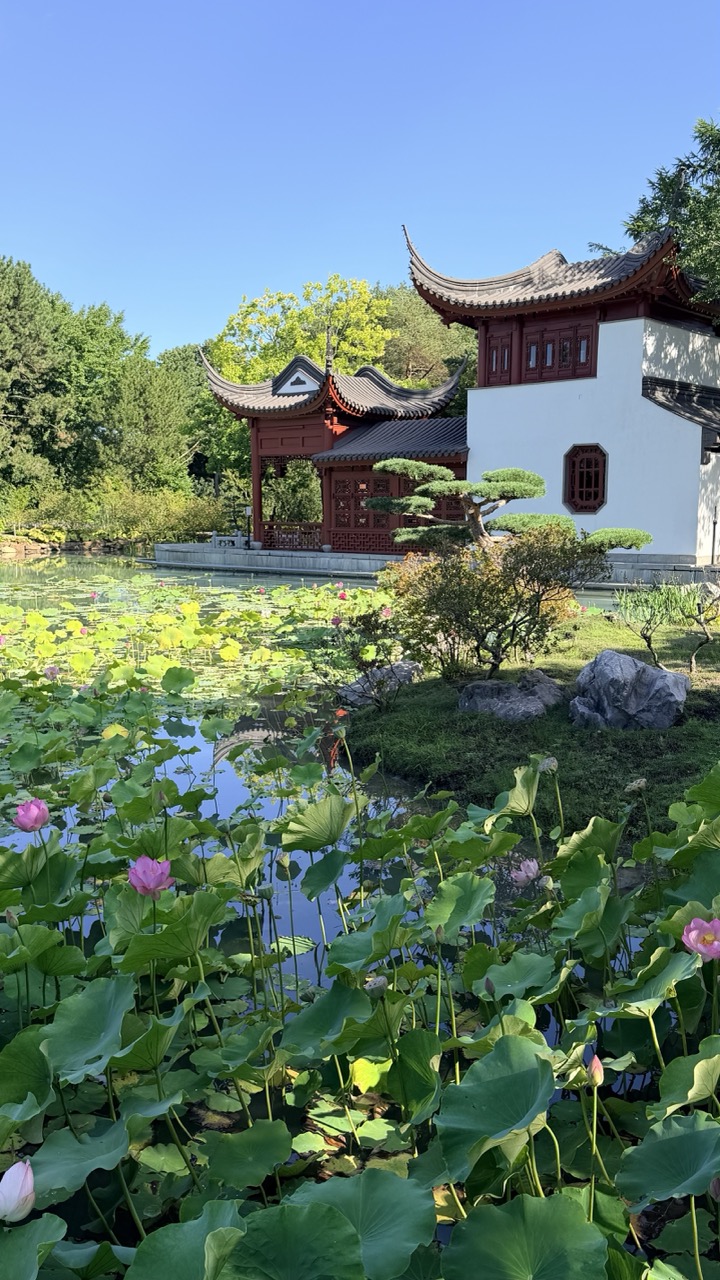
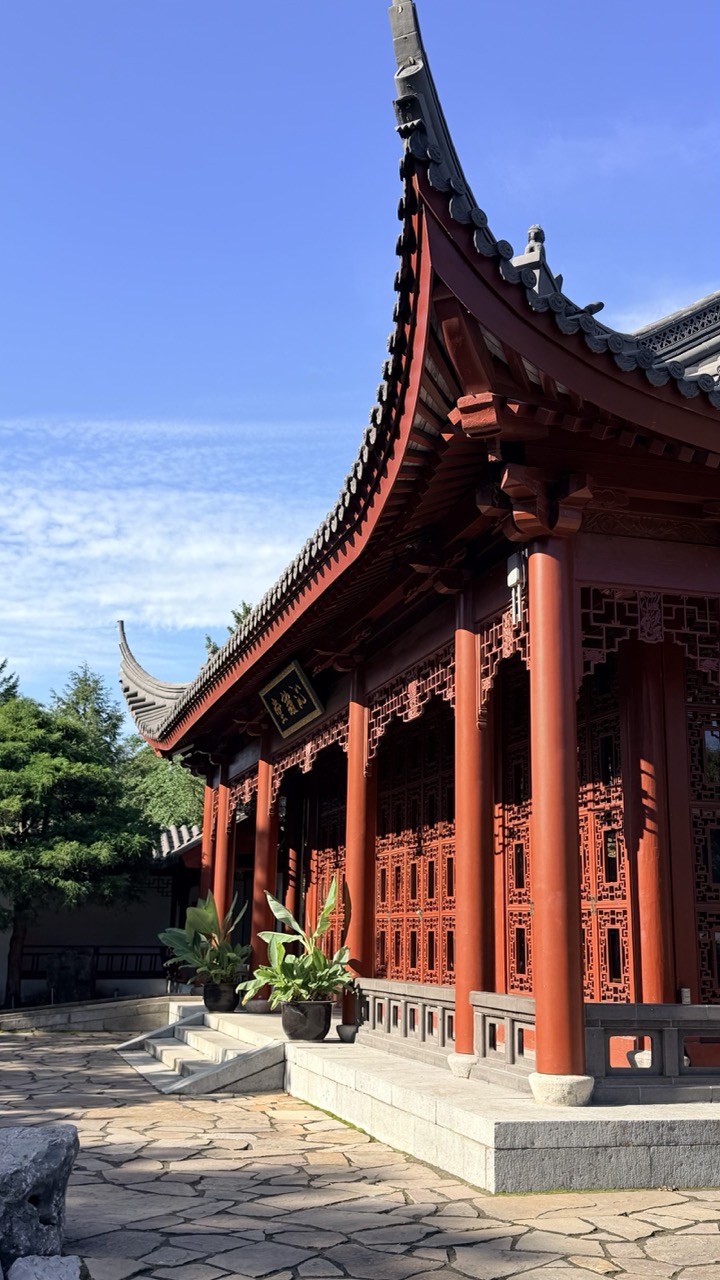
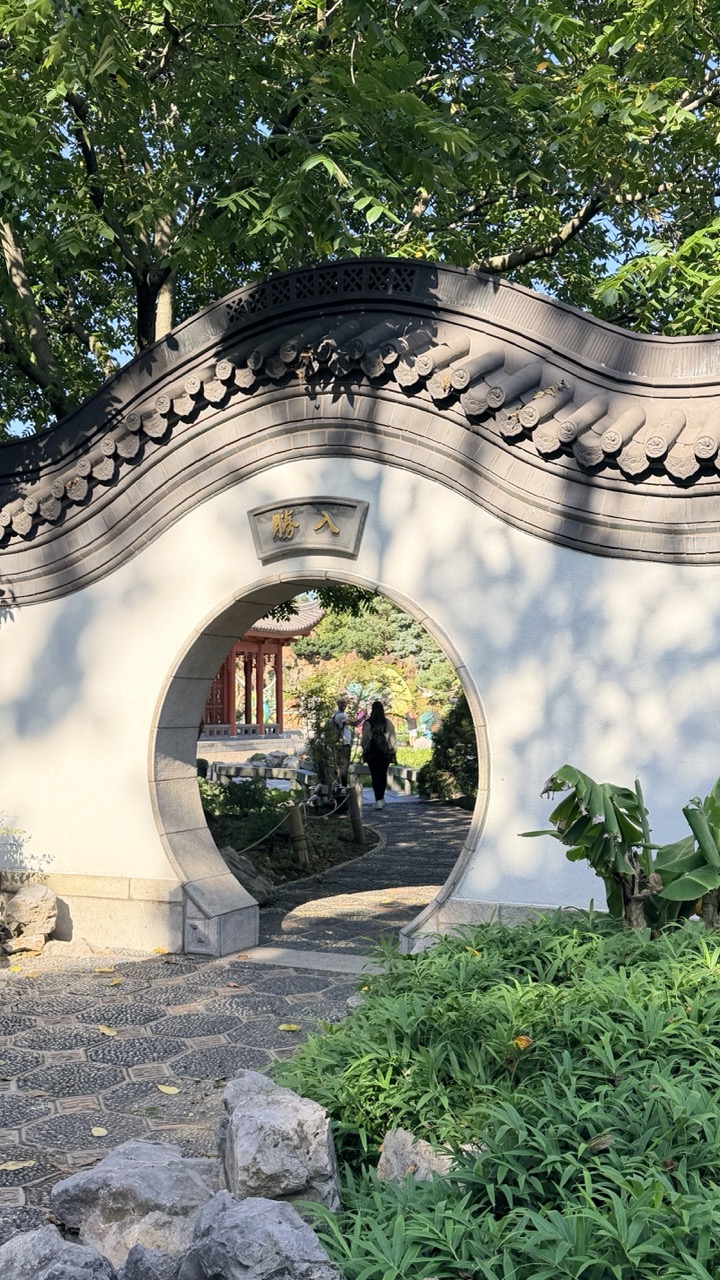
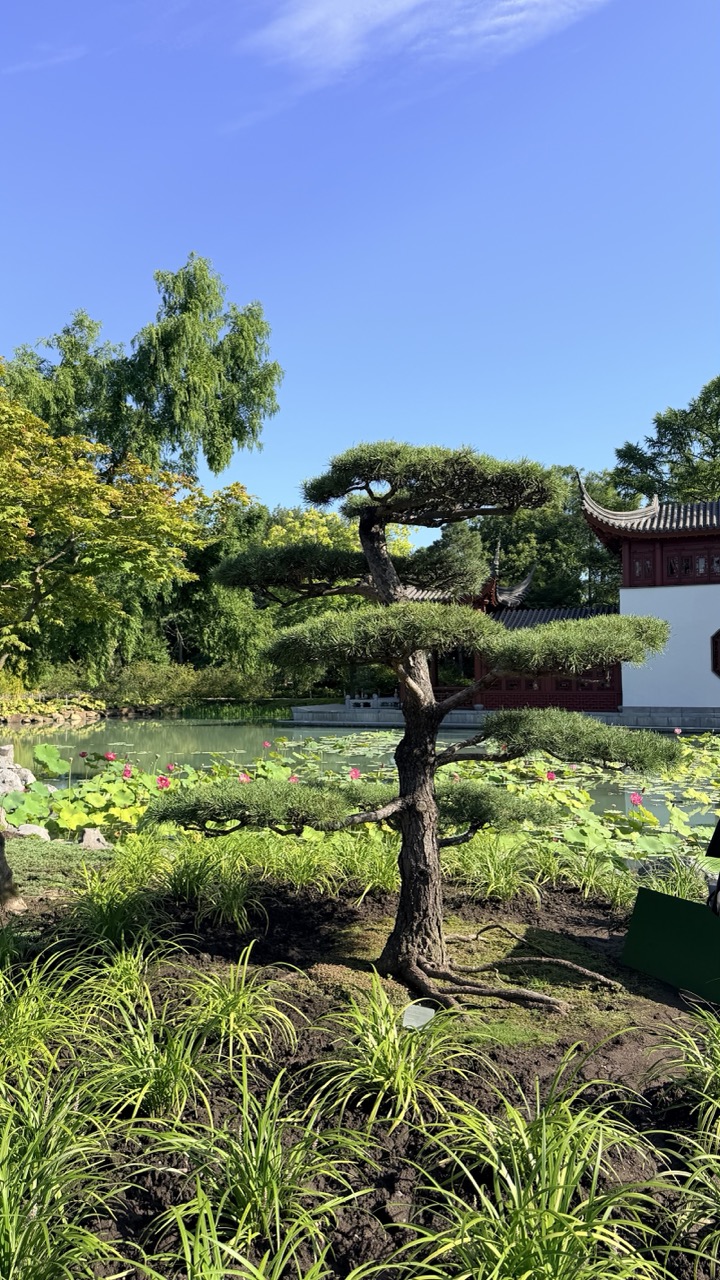
The Japanese Garden is extremely refined. The stones, water, trees and spaces between the different elements create a landscape where your gaze moves naturally. The Chinese Garden is more architectural, with its pavilions, shapes, perspectives and the way certain elements appear and disappear as you move through it.
I genuinely enjoy walking around both of them.
But I also realise that something in me has changed.
I have been travelling full-time since 2014. Over all those years, I have been lucky enough to discover gardens in Japan, pagodas across Asia, alpine landscapes in several parts of the world and architecture that I am now seeing again, in another form, here in Montreal.
And inevitably, once you have seen these things in their original context, a recreation no longer has quite the same effect.
It isn’t a question of quality. It’s a question of context.
A pagoda can be perfectly recreated and surrounded by beautiful vegetation, but when I look at one here, I am missing everything that cannot be reproduced.
I am missing the street that leads to it, the sounds around it. I am, of course, missing the people who aren’t there to visit it but because it is simply part of their everyday lives.
The smell of incense, the food being sold a little farther away, the language I hear around me and sometimes don’t understand, the heat, the humidity, the tiredness after a long day of travelling.
In short, I am missing the country.
And I think that is simply what happens when you travel for a long time: once you have experienced somewhere for yourself, you no longer look at a representation of it in quite the same way.
You Don’t “Do” a Country Any More Than You “Do” a Garden
This thought reminds me of an expression we use constantly when travelling.
“Today, we’re doing the museum.”
“Tomorrow, we’re doing the temple.”
“We did Chinatown.”
“I’ve done Peru.”
I use it myself without really thinking about it. But the more I travel, the more amusing I find the expression.
What does it actually mean to “do” a country?
I have spent weeks, sometimes months, in certain places and would still be completely incapable of claiming to know them entirely. So obviously, a walk through a Japanese garden, however well designed, cannot tell the story of Japan.
But it can tell another story.
It can show a particular way of designing space, offer a few cultural insights and spark curiosity. Above all, it can make you want to discover more.
And perhaps if I had visited the Montreal Botanical Garden before I left in 2014, I would have looked at these gardens very differently.
Perhaps I would have discovered something here that made me want to leave.
Today, it is almost the opposite.
I recognise things that remind me why I left.
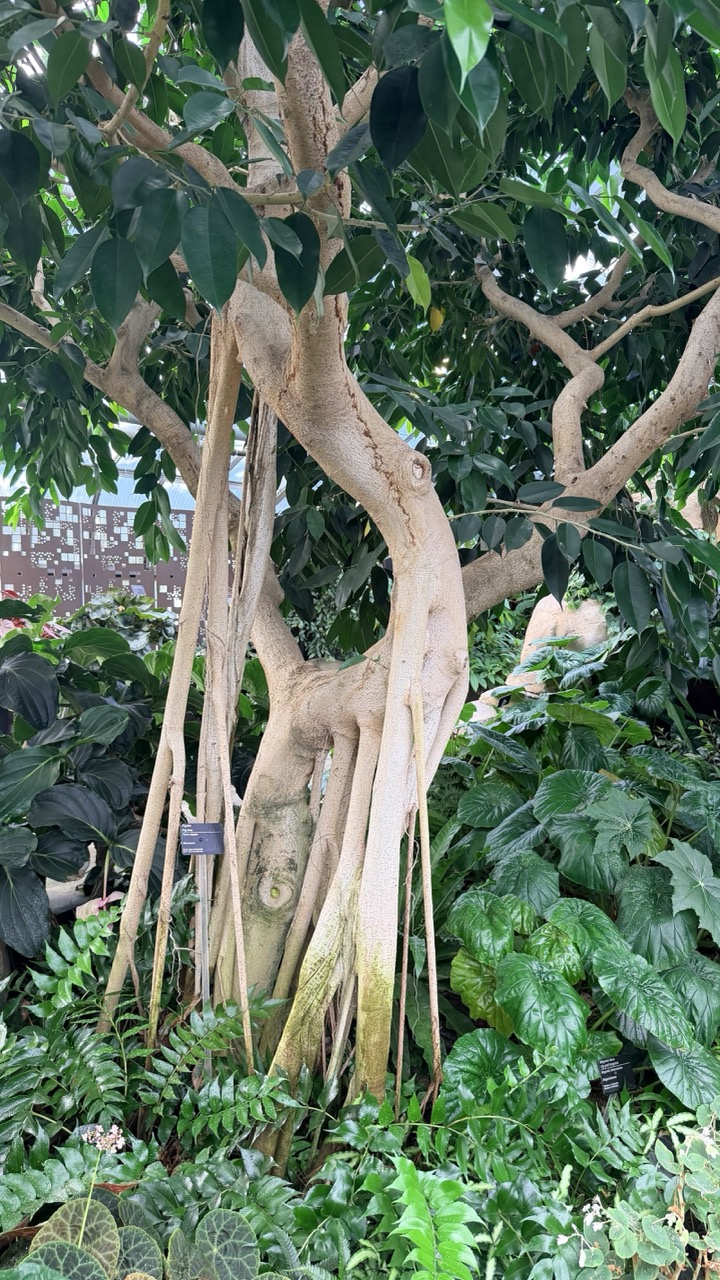
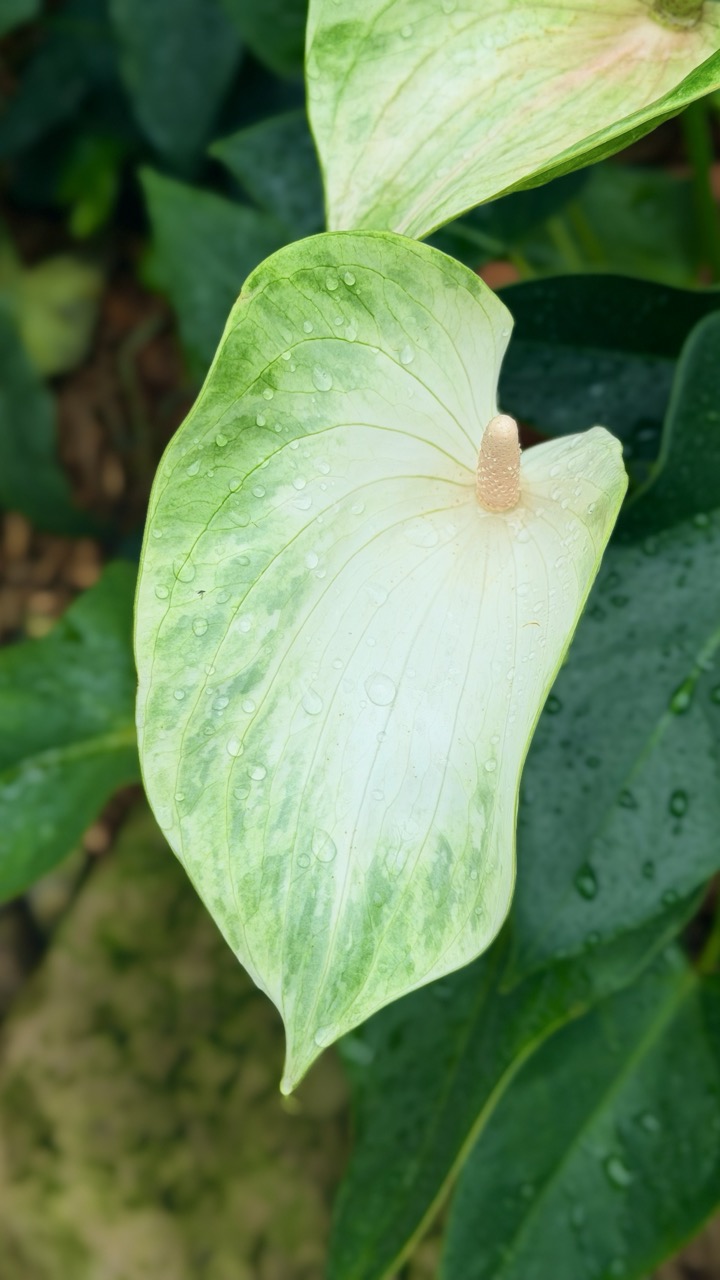
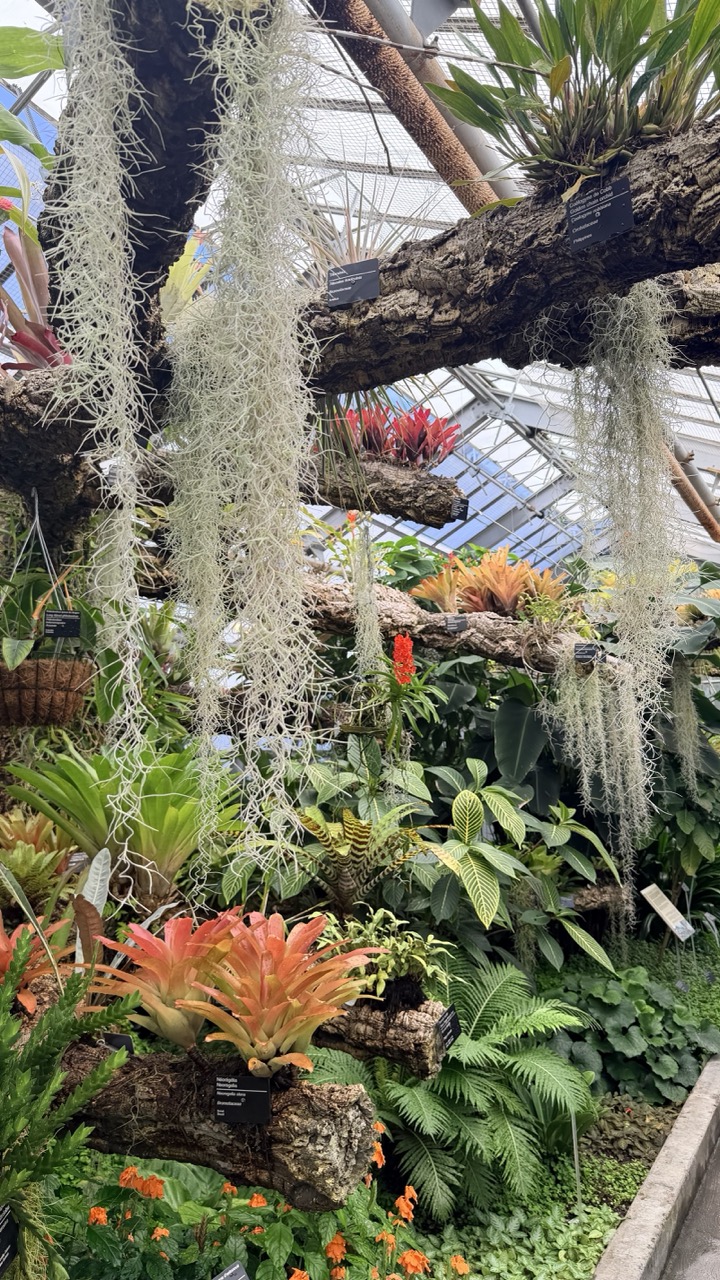
What I Ultimately Like Most About the Botanical Garden
Once that thought passes, I stop comparing quite so much.
I stop expecting the Japanese Garden to take me back to Japan or the Alpine Garden to make me feel as though I am walking through the Andes.
I simply enjoy the place I am in.
And that is probably when the Montreal Botanical Garden becomes most enjoyable.
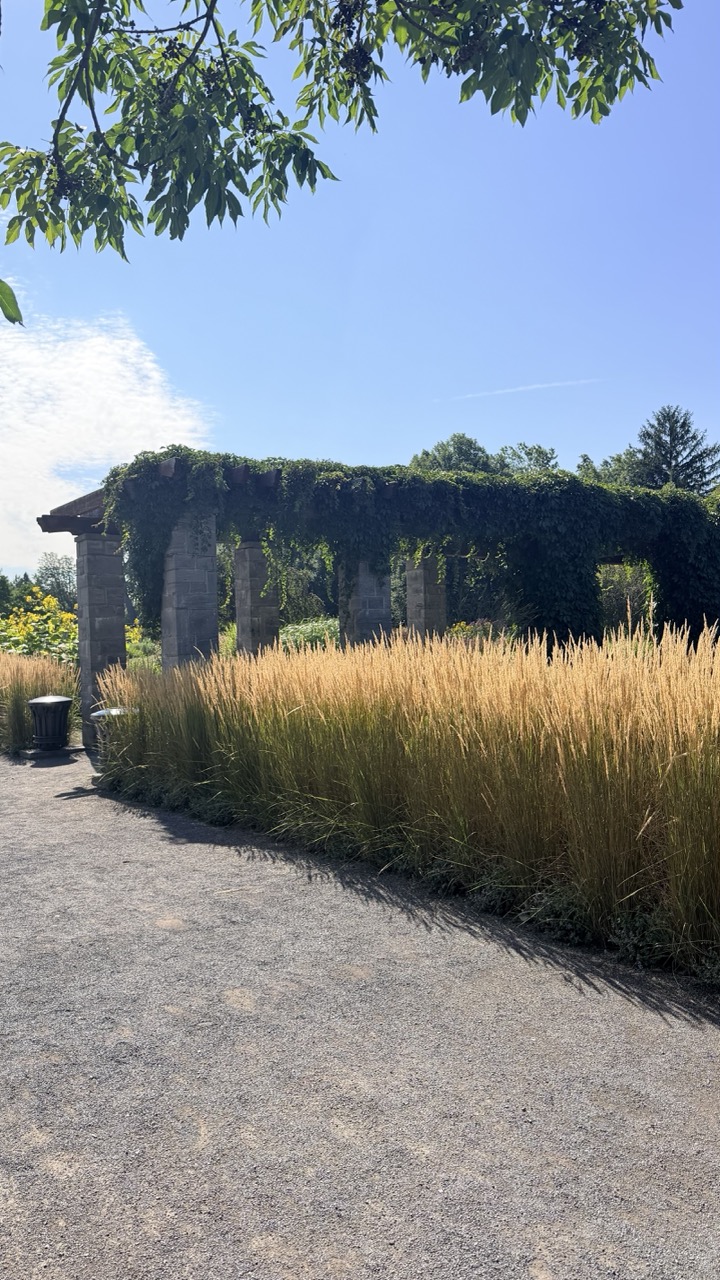
I walk among the trees. The cicadas continue making their racket somewhere above me. Birds occasionally fly through the branches, and my miniature squirrels — still the “Suisses” — reappear from time to time along the paths.
I pass irises, peonies, daylilies and lilies in the Flowery Brook. Elsewhere, trees and shrubs take over: the Arboretum alone occupies almost half of the Botanical Garden and is home to around 800 species of trees and shrubs from temperate climates.
Then there is still the Aquatic Garden, the perennials, the Shade Garden, the shrubs, the lilacs, the Edible Garden, the Rose Garden…
At some point, I have to face the obvious: I am not going to look at every single plant.
And more importantly, my legs are starting to have an opinion about the matter.
Two Hours? Definitely Not
This is probably the most important advice I could give anyone planning to visit the Montreal Botanical Garden: don’t come thinking that two hours will be enough to “do” it.
You can obviously spend two hours here. You can also walk through the Louvre in two hours.
The real question is what you want to get out of it.
The Botanical Garden covers 75 hectares and features more than 12,000 taxa across around twenty outdoor gardens. That already gives you an idea of the scale, but numbers don’t tell you about the stops, the detours, the signs you start reading out of curiosity, the photos, the little paths you follow just to see what is around the corner.
Or the navigation mistakes.
In my case, those accounted for a significant portion of the distance I walked.
I check the map, head in one direction, discover something else along the way, forget what I was originally looking for, and then realise twenty minutes later that I need to go back almost exactly where I came from.
There is certainly a much more efficient way to visit the Botanical Garden. I didn’t find it. But in the end, I’m not sure that really matters.
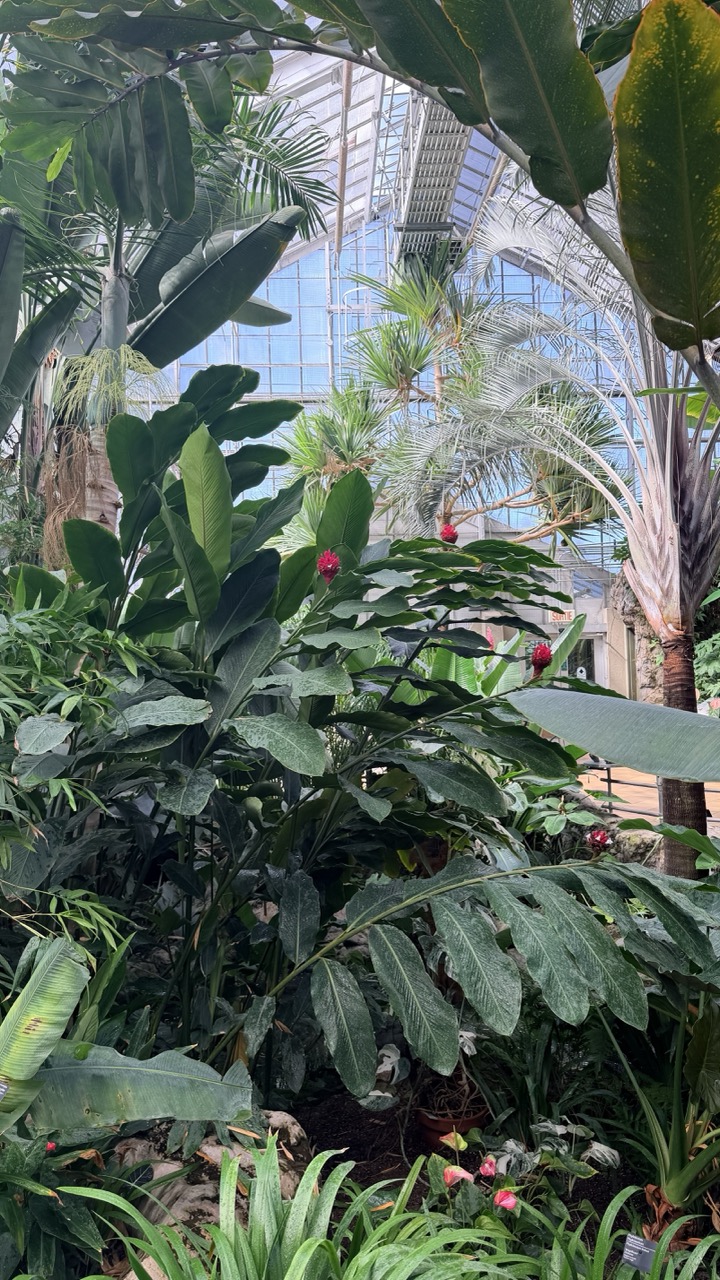
My Thoughts on the Montreal Botanical Garden
After twelve years of travelling, the Montreal Botanical Garden did not make me feel as though I had travelled around the world in a single day.
And ultimately, that is probably a good thing.
Because no garden could ever replace the landscapes, cultures and, above all, the life surrounding them when you experience them in their countries of origin.
What I did find, however, was an incredibly beautiful, varied and enjoyable place to explore.
I loved its botanical diversity, but even more than that, I loved the way some of the collections allow you to understand plants differently. I was probably more struck by the poison hemlock, foxglove and those fascinating boundaries between medicinal and toxic plants than by some of the larger landscape recreations.
I loved being able to walk for hours surrounded by vegetation while still being in Montreal.
I loved hearing the birds and the cicadas.
I loved discovering one garden after another without ever really feeling like I knew how many were left.
And I even ended up accepting all my detours.
It may no longer be the kind of place that can make me believe I have suddenly travelled to China or Japan. Twelve years of travelling have inevitably changed the way I look at this kind of recreation.
But that isn’t really what I expect from it anyway. Sometimes, a beautiful day doesn’t need to feel like a journey to the other side of the world.
All you need is somewhere to walk for a long time, plenty of things to observe, and enough paths to keep making you wonder what is waiting around the next corner.