Before arriving in Montreal, there was one experience I absolutely wanted to have: attending a pow-wow.
Ever since I started traveling, it has been the human connections and cultural discoveries that have fascinated me the most. Of course, I love breathtaking landscapes, iconic landmarks and famous attractions. But what truly motivates me to board a plane is the opportunity to better understand the people who call these places home, their traditions, their history and the way they see the world.
So when my friend Caroline suggested we go to the Kahnawà Pow-Wow together, I didn’t hesitate for a second.
I thought I was going to watch a beautiful cultural performance.
I had no idea I was about to experience an incredible lesson in tradition and cultural transmission.
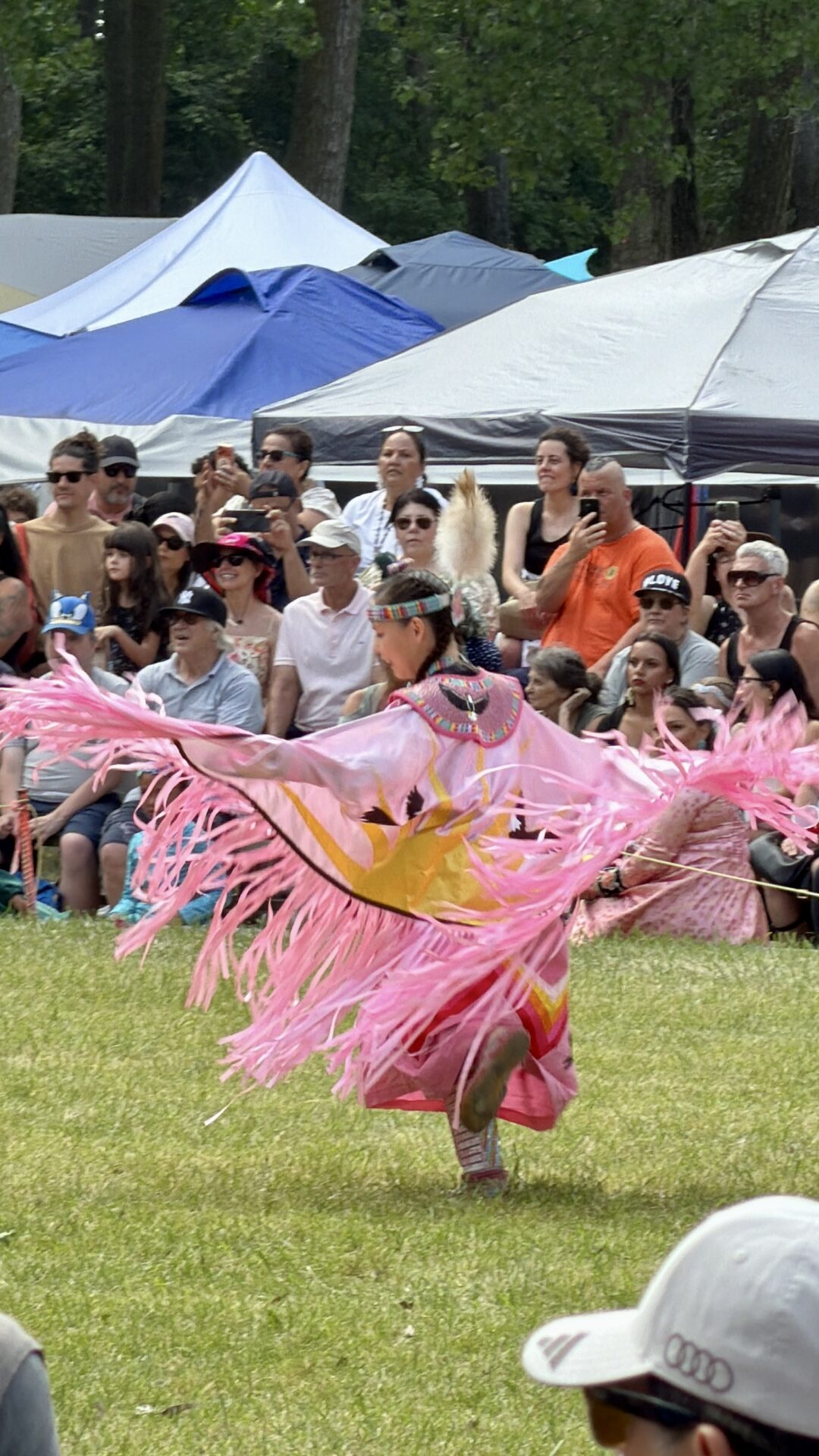
What is a pow-wow?
Before attending one, I had only a vague idea of what a pow-wow actually was.
I pictured traditional dances, colorful outfits and drumming. I wasn’t completely wrong… but I was far from understanding what this event truly represents.
A pow-wow is a large cultural gathering organized by the Indigenous Peoples of North America. It is a celebration where different Indigenous communities come together to honor their traditions through singing, dancing, drumming, arts and crafts, food, and shared experiences.
Contrary to what many visitors imagine, a pow-wow is not a historical reenactment or a performance created for tourists.
Above all, it is a community event.
Families reunite. Dancers travel hundreds of miles to compete. Artisans showcase their craftsmanship. Children learn the traditions of their parents and grandparents. Elders pass down a heritage that has endured despite centuries of hardship.
Visitors are warmly welcomed, but they are witnessing a celebration that belongs first and foremost to Indigenous communities—and that is exactly what makes the experience feel so genuine.
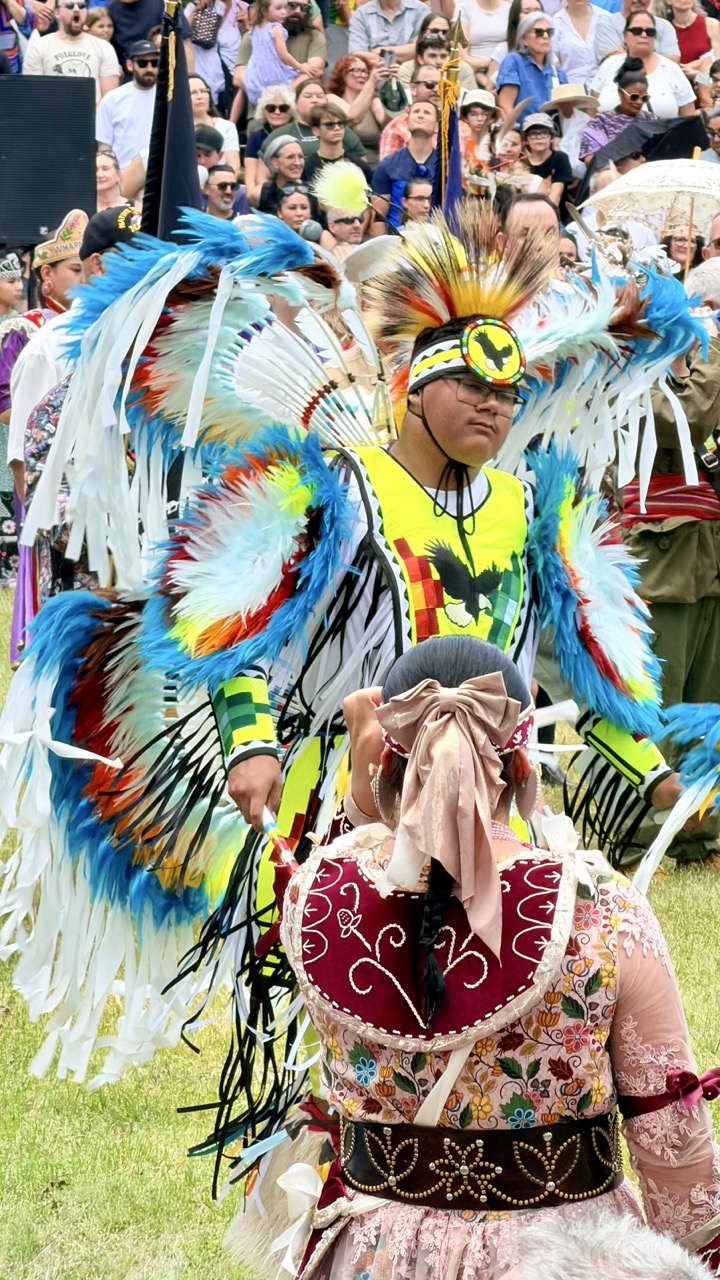
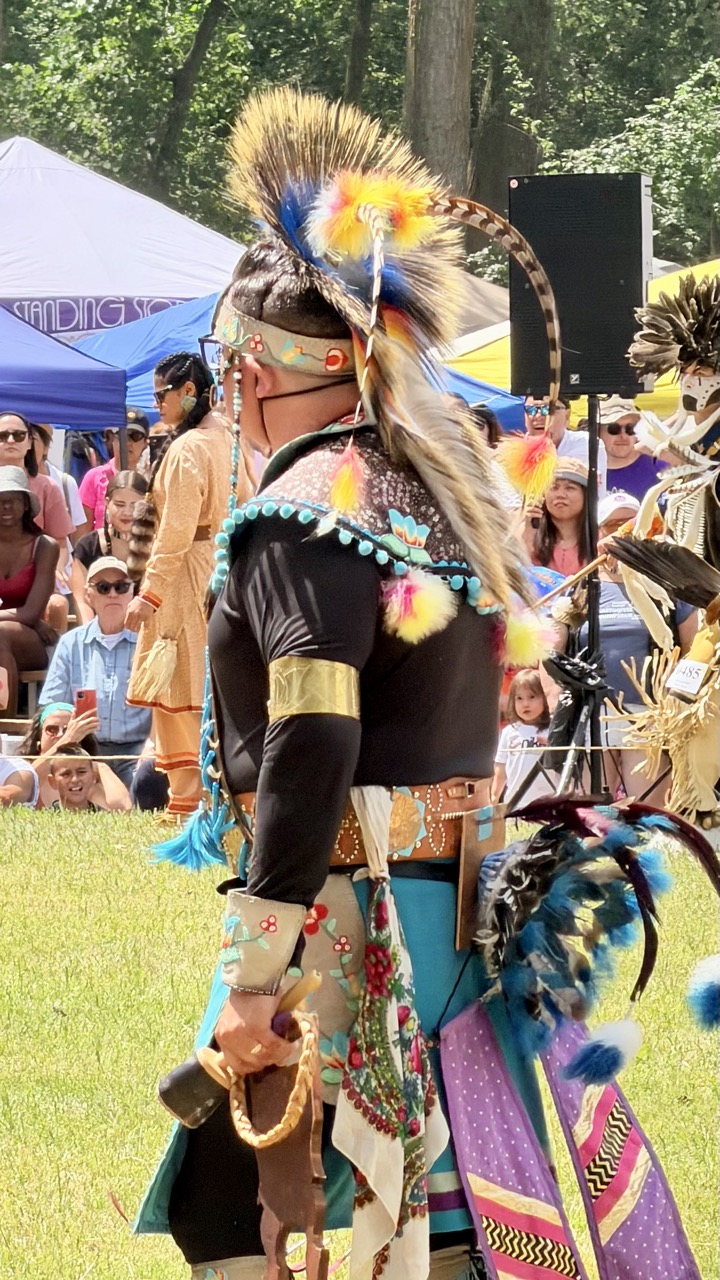
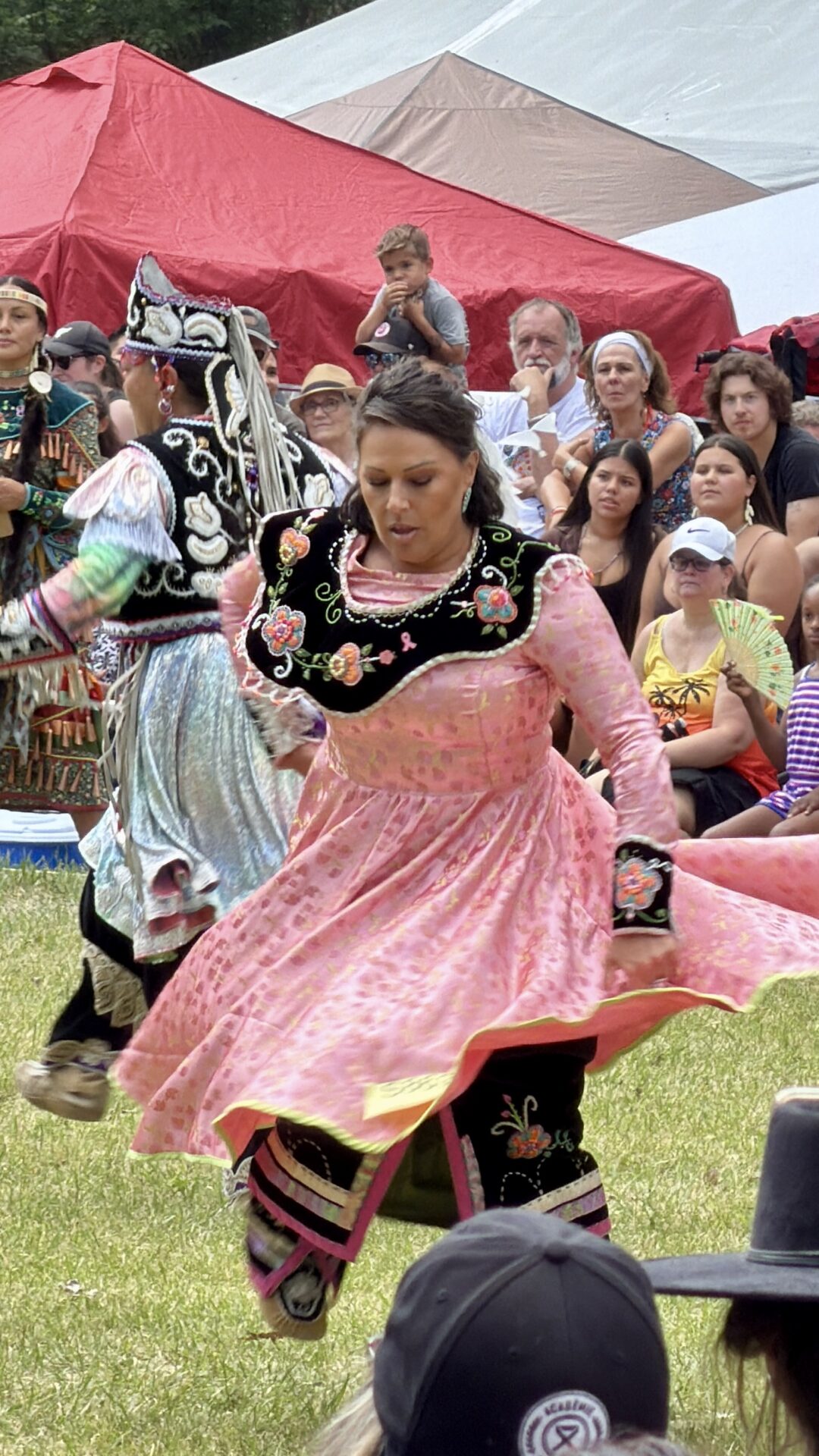
The Mohawks of Kahnawà
The pow-wow I attended takes place in Kahnawà, a Mohawk territory located on the south shore of the St. Lawrence River, about twenty minutes from downtown Montreal.
The Mohawks are one of the six nations of the Haudenosaunee Confederacy, also known as the Iroquois Confederacy, alongside the Oneida, Onondaga, Cayuga, Seneca and Tuscarora Nations.
Historically, the Mohawks were known as the “Keepers of the Eastern Door,” protecting the eastern entrance to the Confederacy’s territory.
Today, the community of Kahnawà continues to preserve its language, traditions and identity while embracing modern life. The annual pow-wow is one of the most important moments for celebrating and passing on that cultural heritage.
I found that particularly moving.
We often hear about Indigenous Peoples through history books, colonization and the injustices they endured. Far less often do we hear about their present.
Yet spending a day here reminds you of one simple truth: these cultures are alive and thriving.
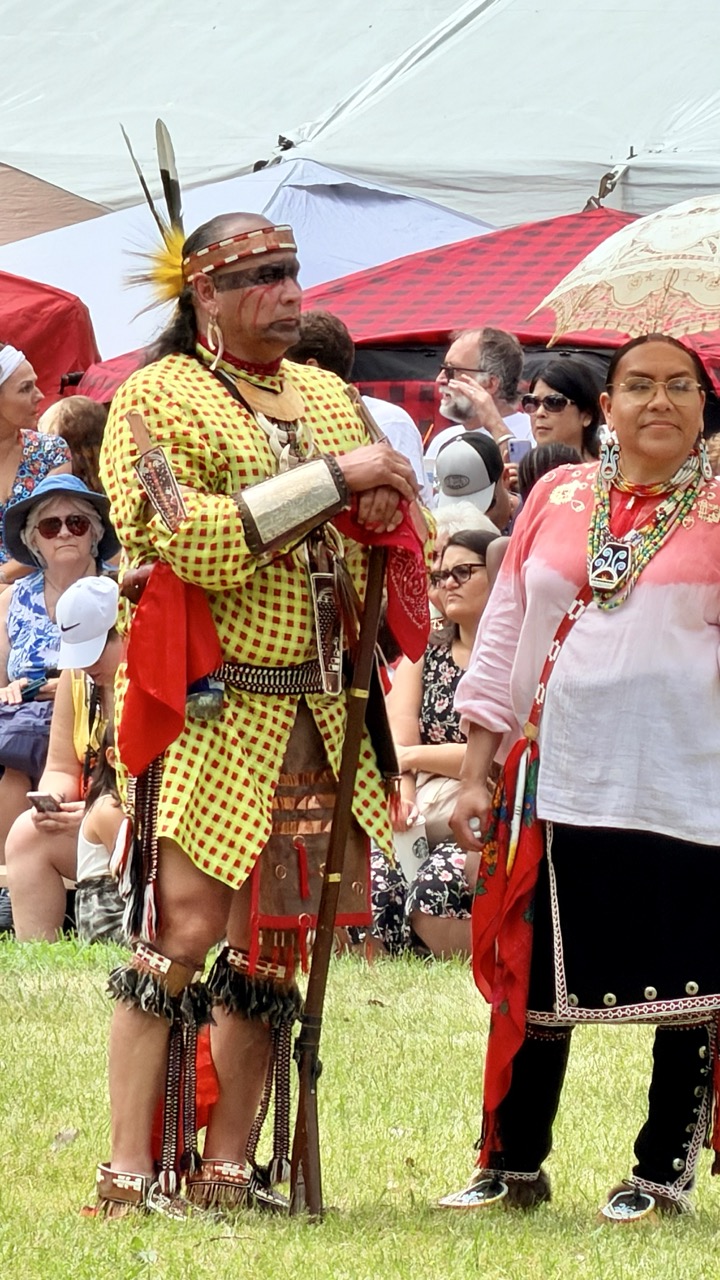
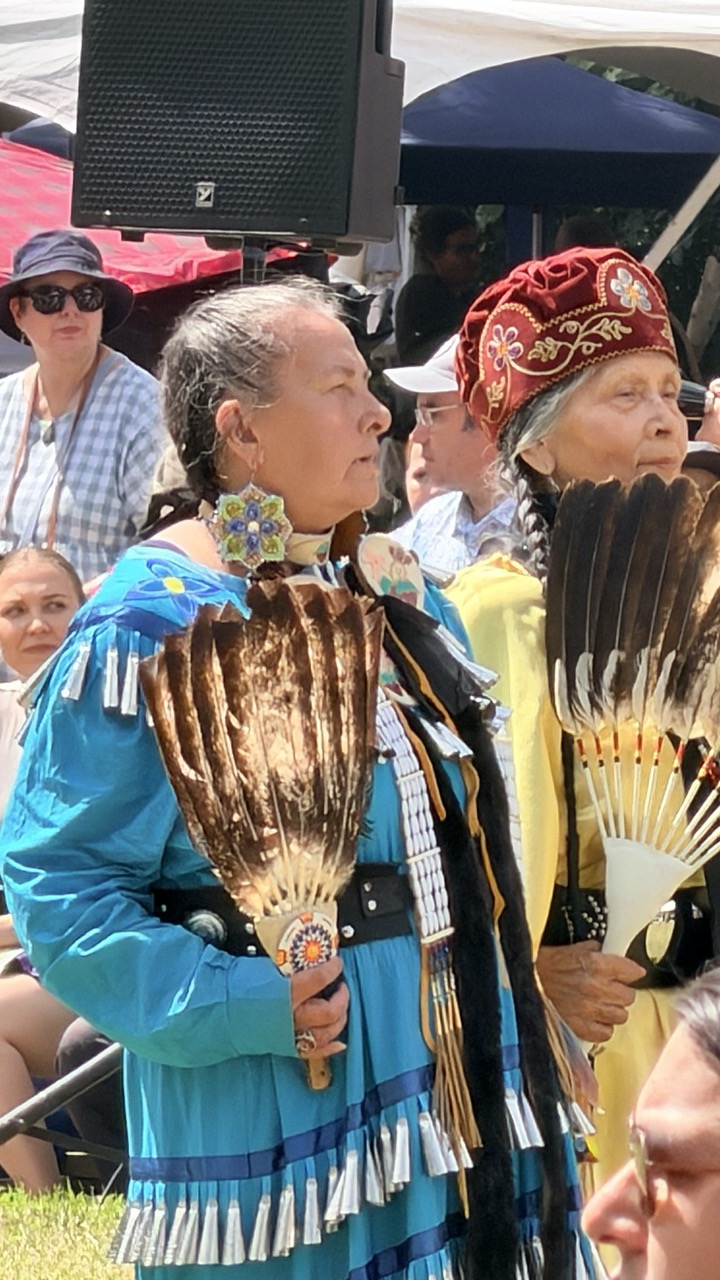
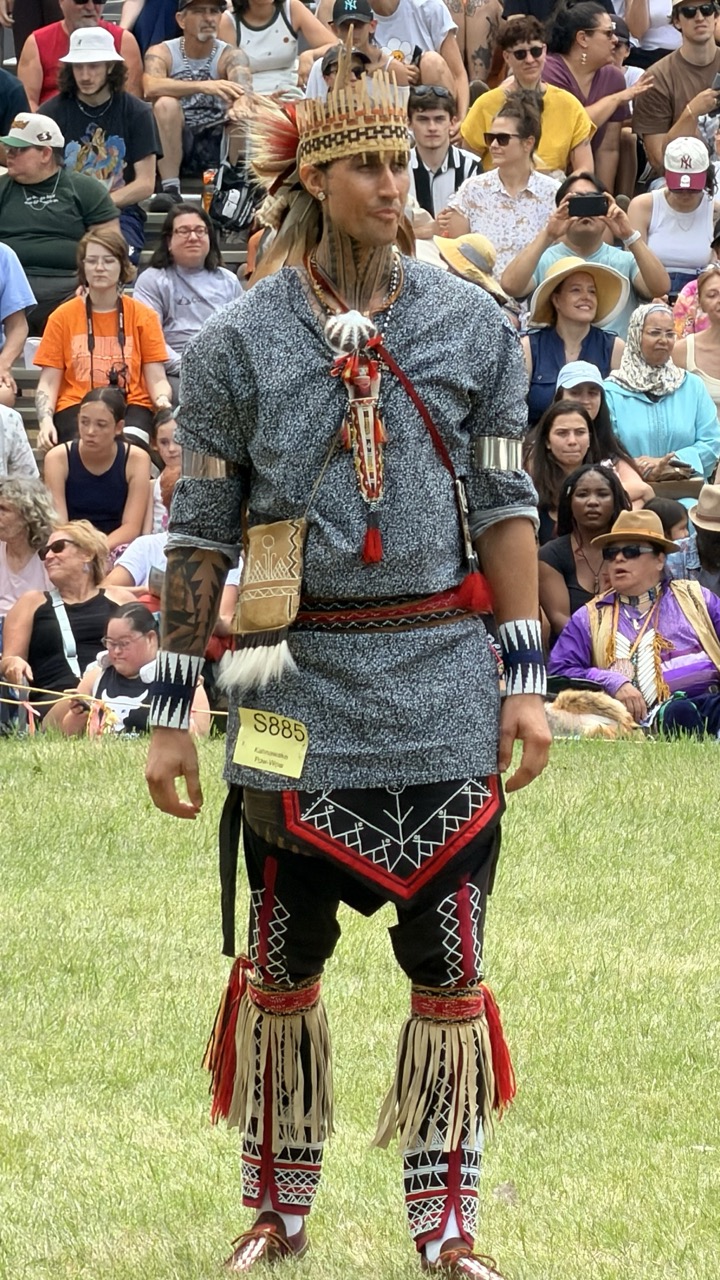
An atmosphere you feel before you understand it
As you walk around the grounds, you hear the large drums long before you see them. Their sound carries across the entire site, making it impossible not to turn your head.
Then come the songs.
I obviously don’t understand the lyrics, but that quickly becomes irrelevant. I soon realized you don’t listen only with your ears. The vibrations travel through your entire body.
In many Indigenous traditions, the drum represents the heartbeat of Mother Earth. It accompanies the songs, guides the dancers and unites everyone around the same rhythm.
Sitting in the grandstands, I occasionally closed my eyes for a few seconds and simply listened. There is something incredibly difficult to describe about this place. A feeling of quiet strength, respect and pride.
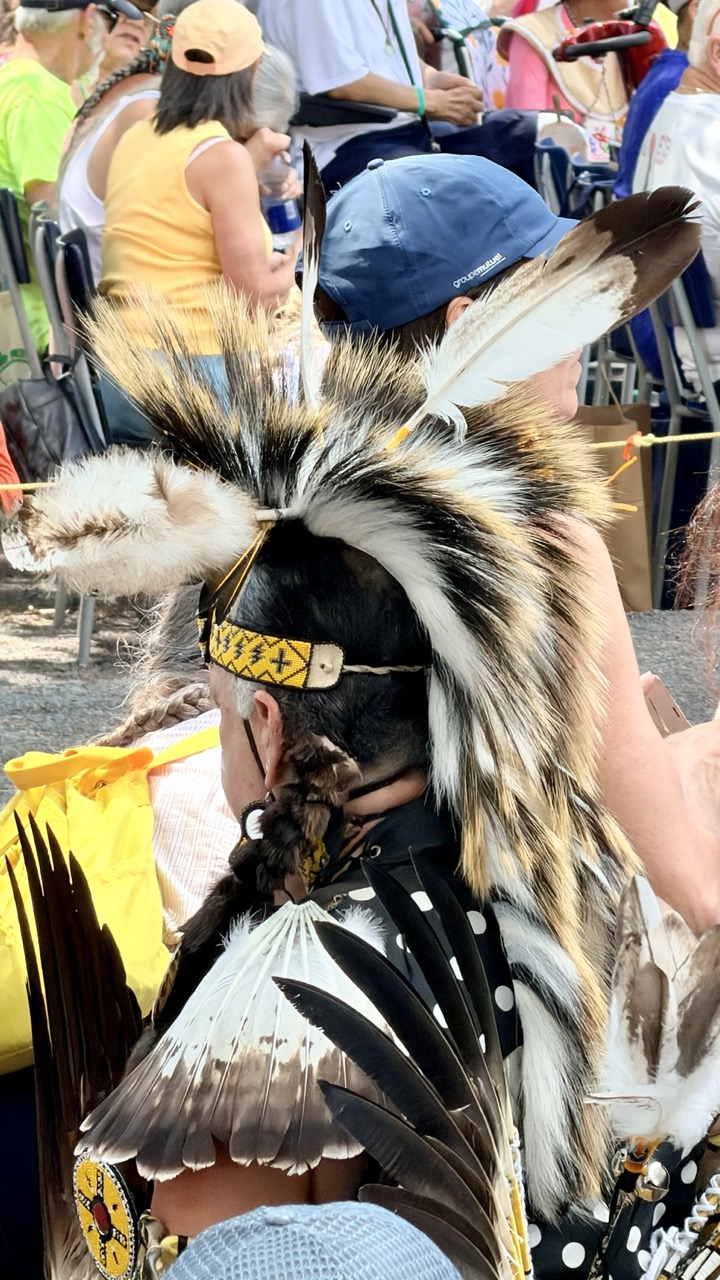
The Grand Entry: a truly moving moment
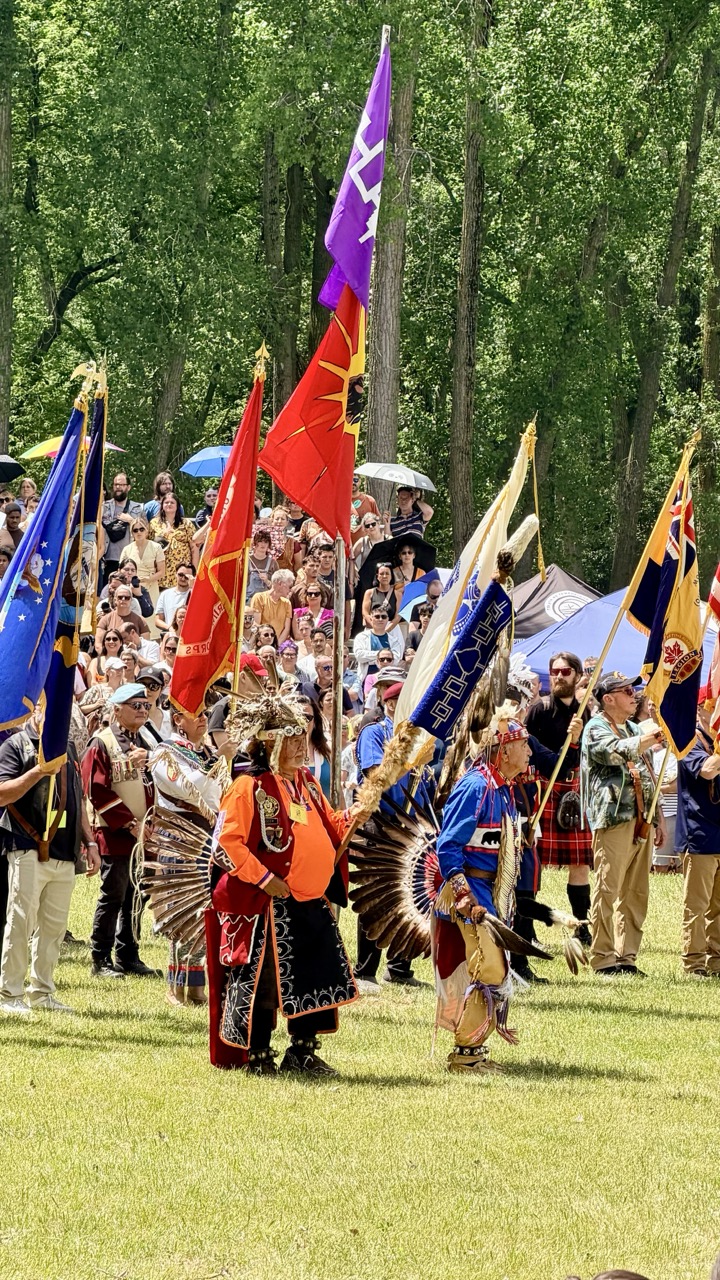
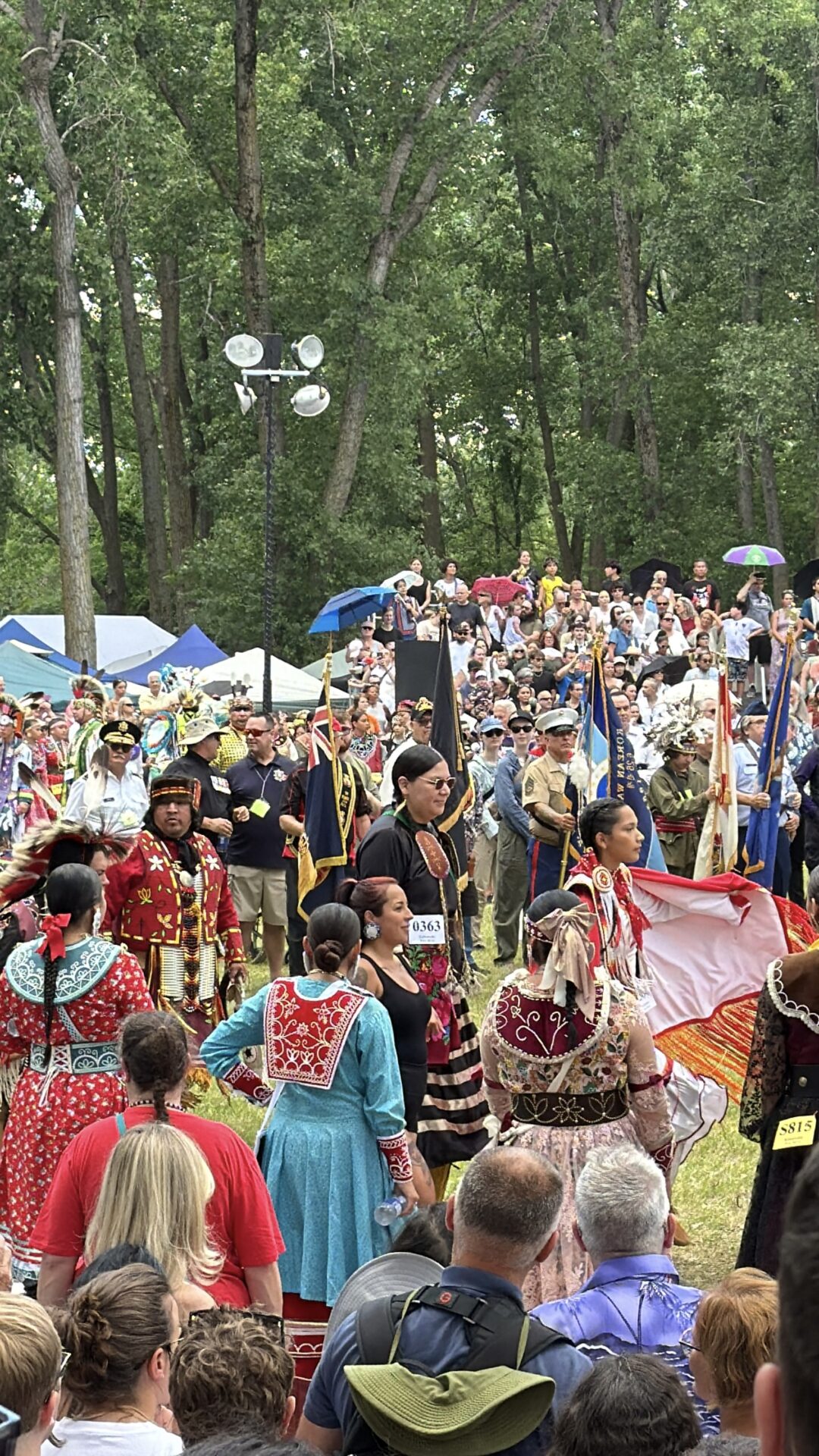
The day officially begins at 1 p.m. with what is known as the Grand Entry.
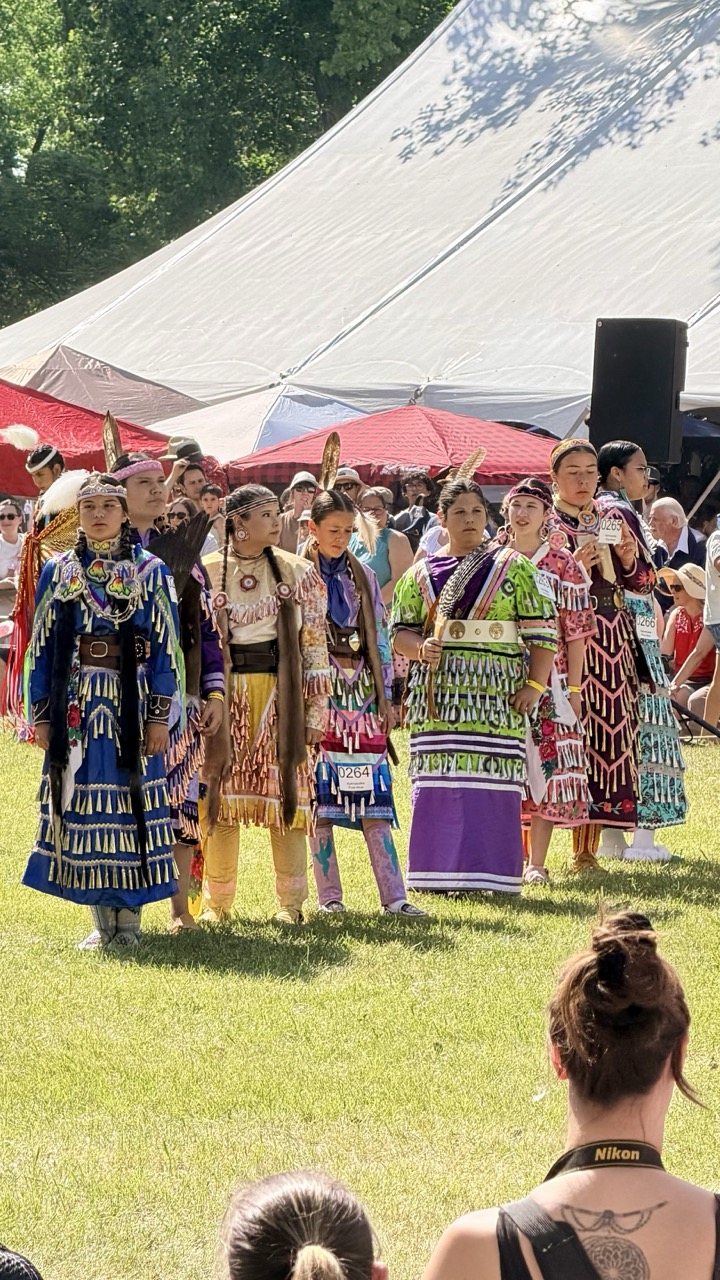
All the dancers gradually enter the arena, led by the flag bearers, veterans and Elders.
The drums begin to echo as the Master of Ceremonies welcomes everyone, while the audience stands silently, hats off, cameras down, to show their respect. Even without knowing every tradition, you immediately understand that this moment carries deep meaning.
It officially marks the opening of the pow-wow, and from that point on, the dances and songs continue for several hours.
Dances that tell stories
Before attending, I assumed I was simply going to watch a traditional dance competition. In reality, each dance category follows its own traditions.
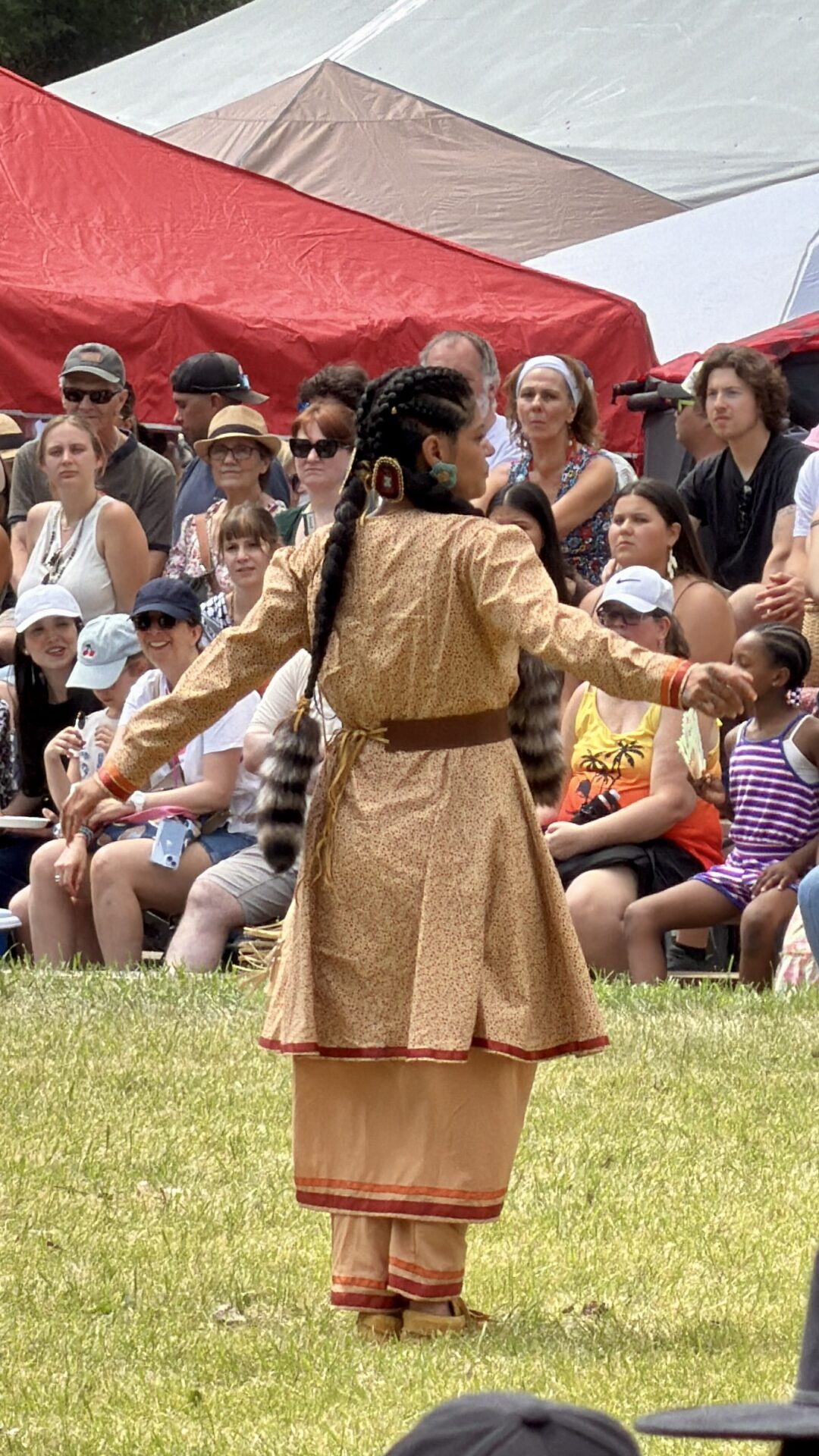
Some dances are performed by men, others by women. There are also categories for children, a beautiful reminder that cultural transmission begins at a very young age. Many dancers travel long distances to compete.
The level of talent is remarkable. So is the energy.
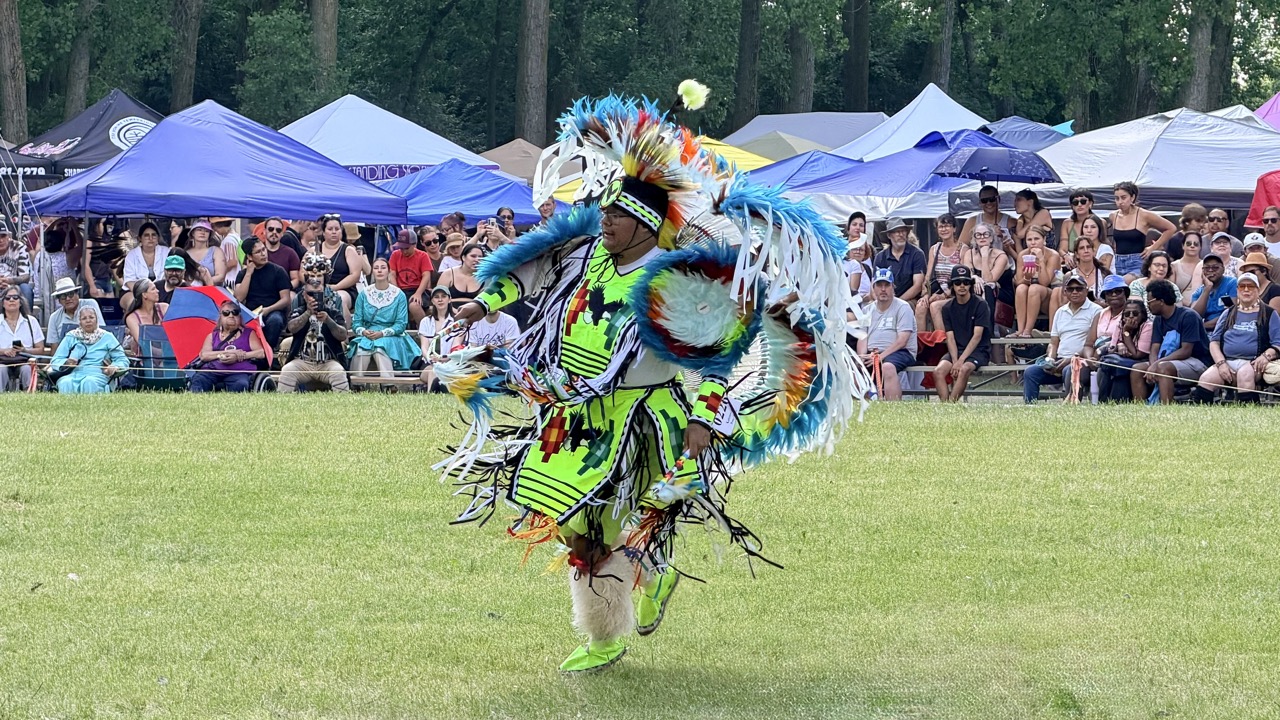
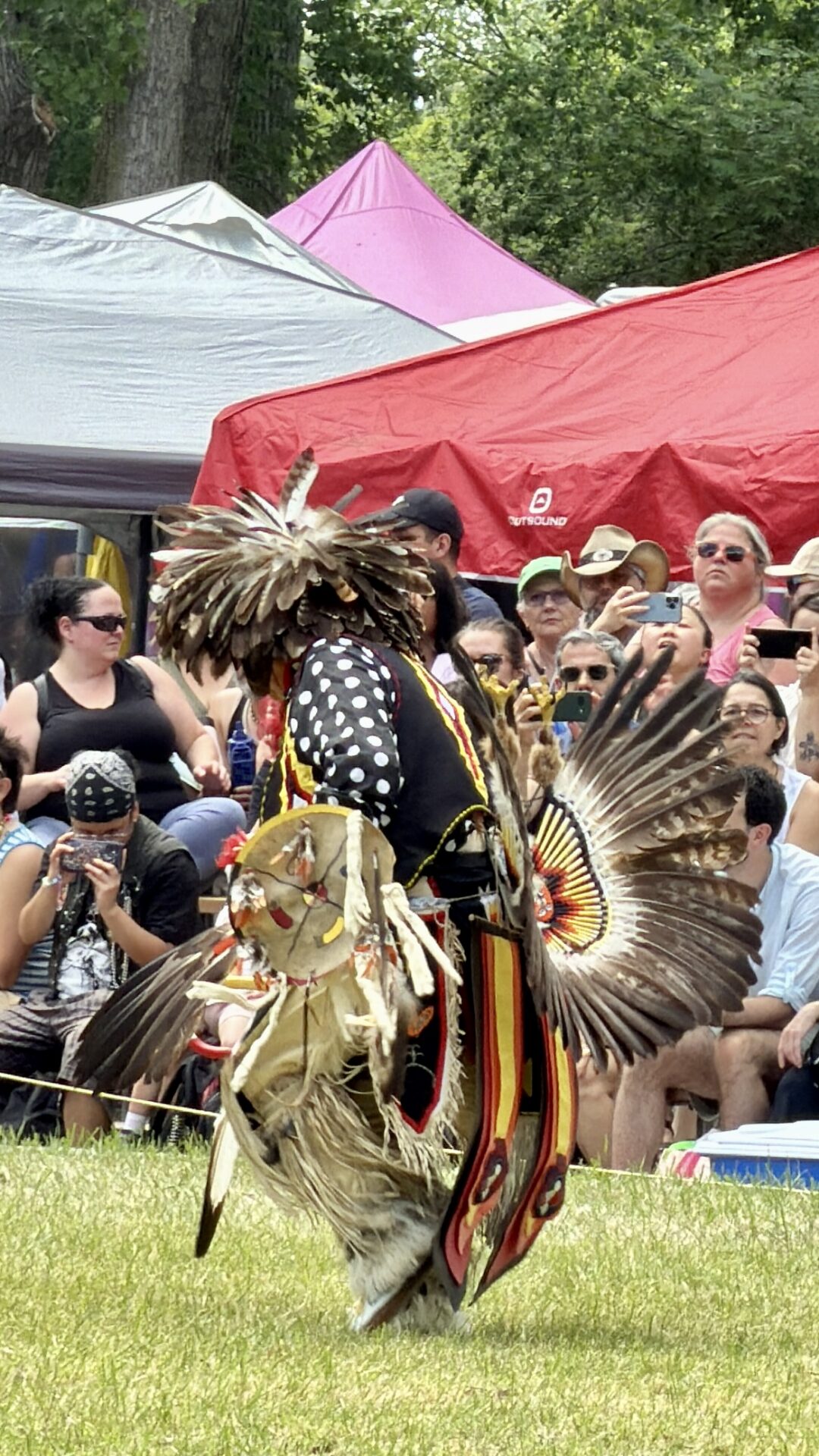
What impressed me most was the incredible variety of dance styles. Some are powerful and almost acrobatic, while others are slow, graceful and deeply ceremonial.
The dances portray hunting, battles, spiritual ceremonies, animals, nature, ancestors, the changing seasons and important moments in life. Each performance is received with great respect.
You quickly realize these dances represent far more than artistic performances, they are stories brought to life.
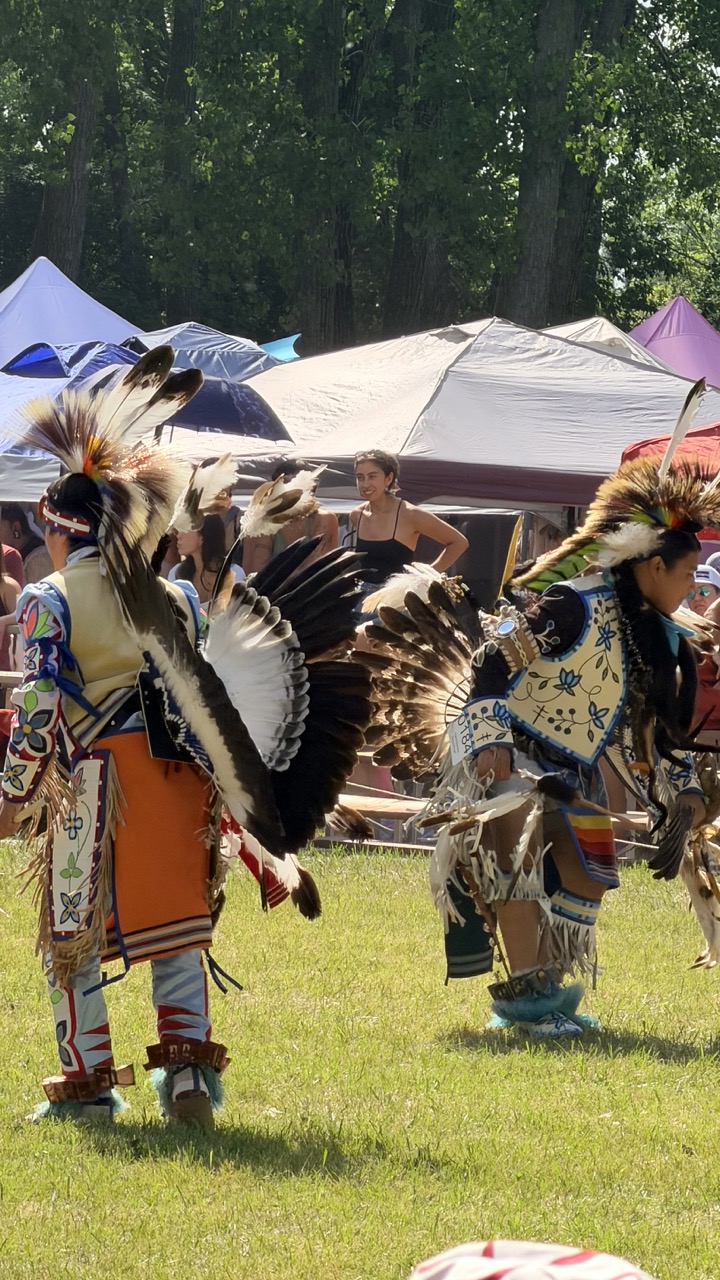
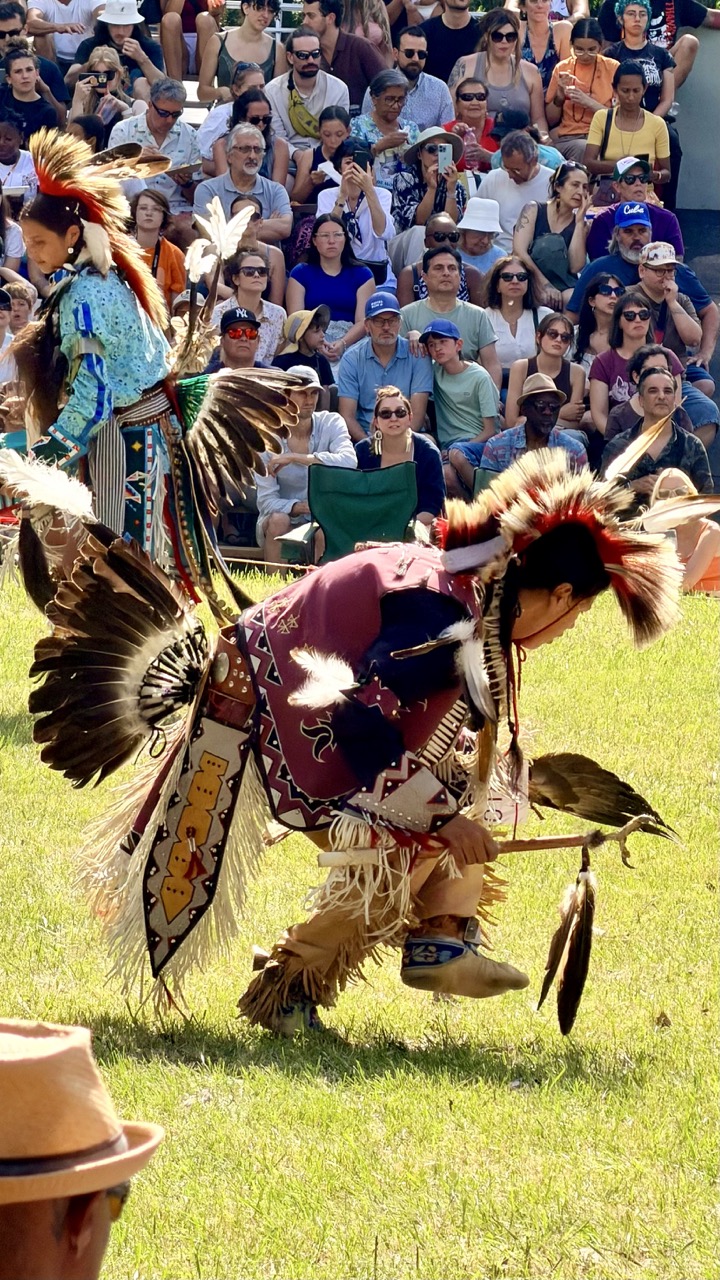
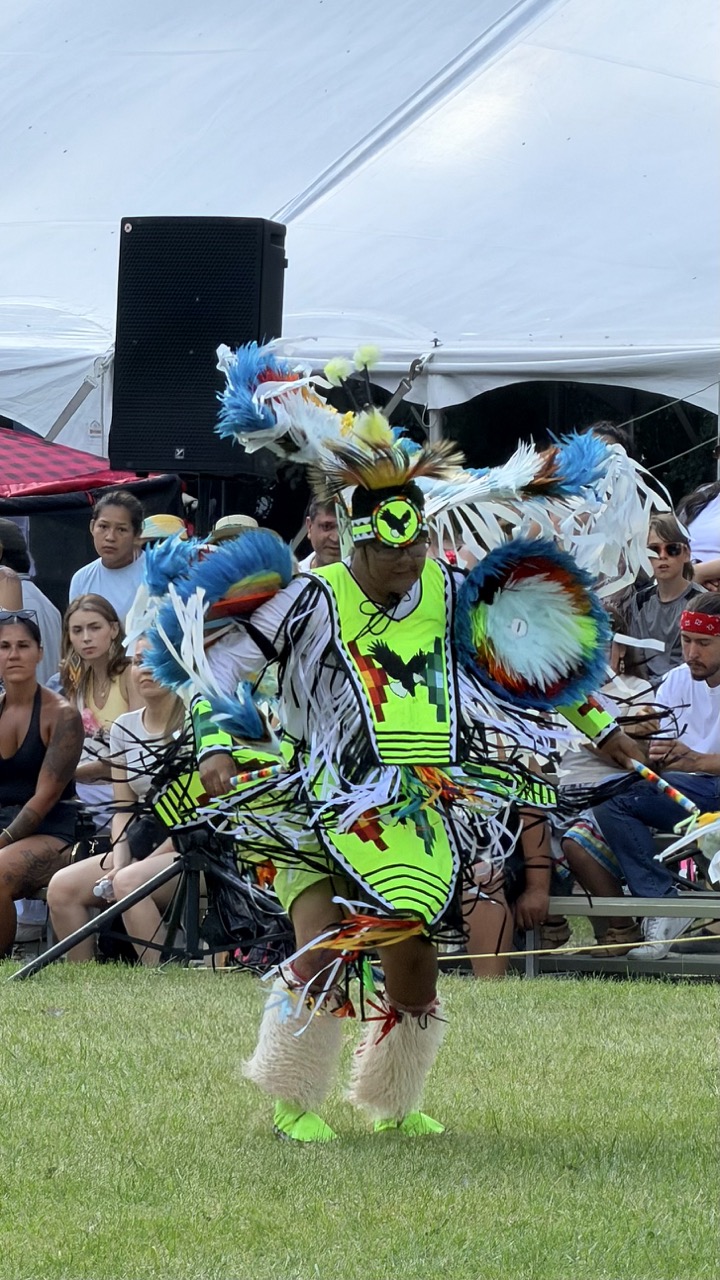
Extraordinary regalia
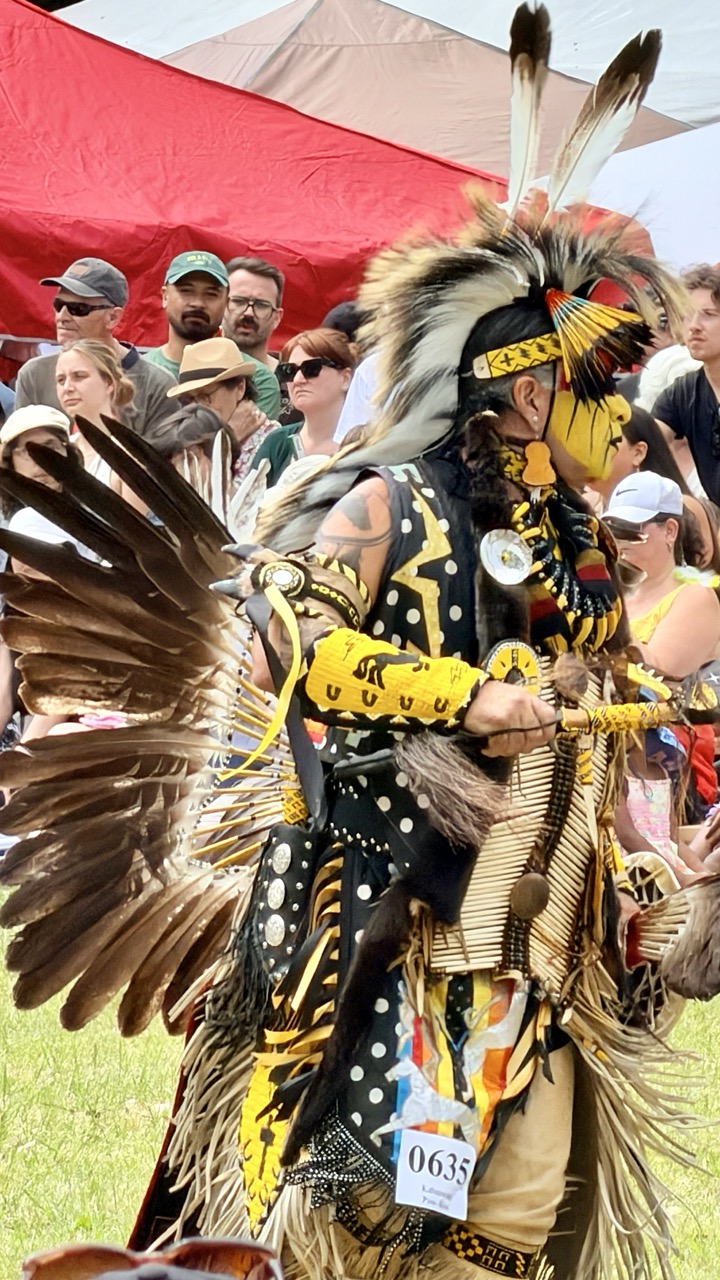
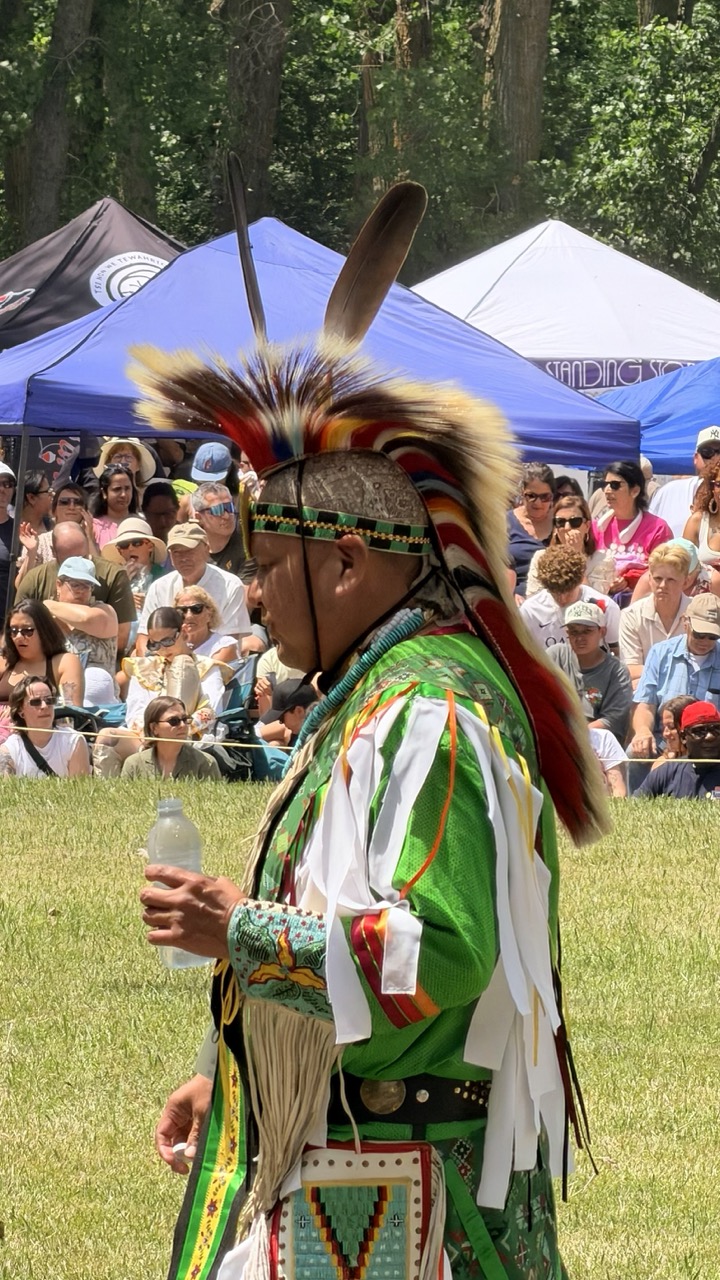
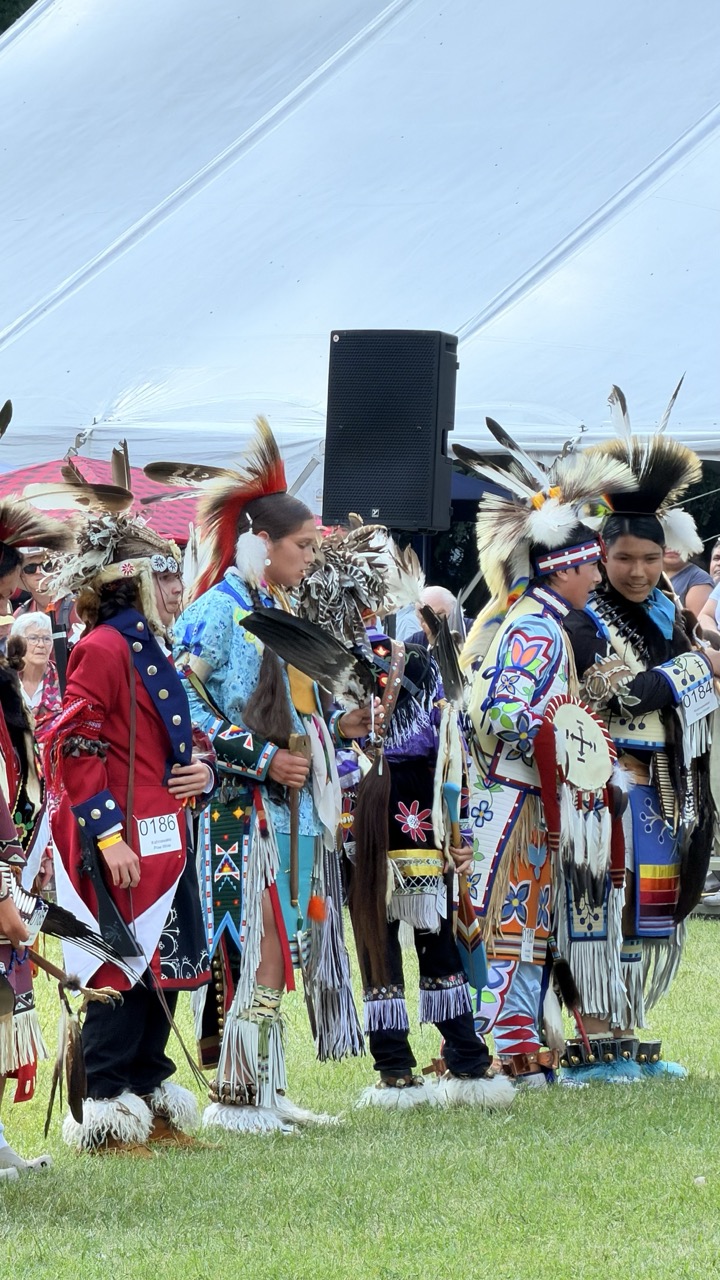
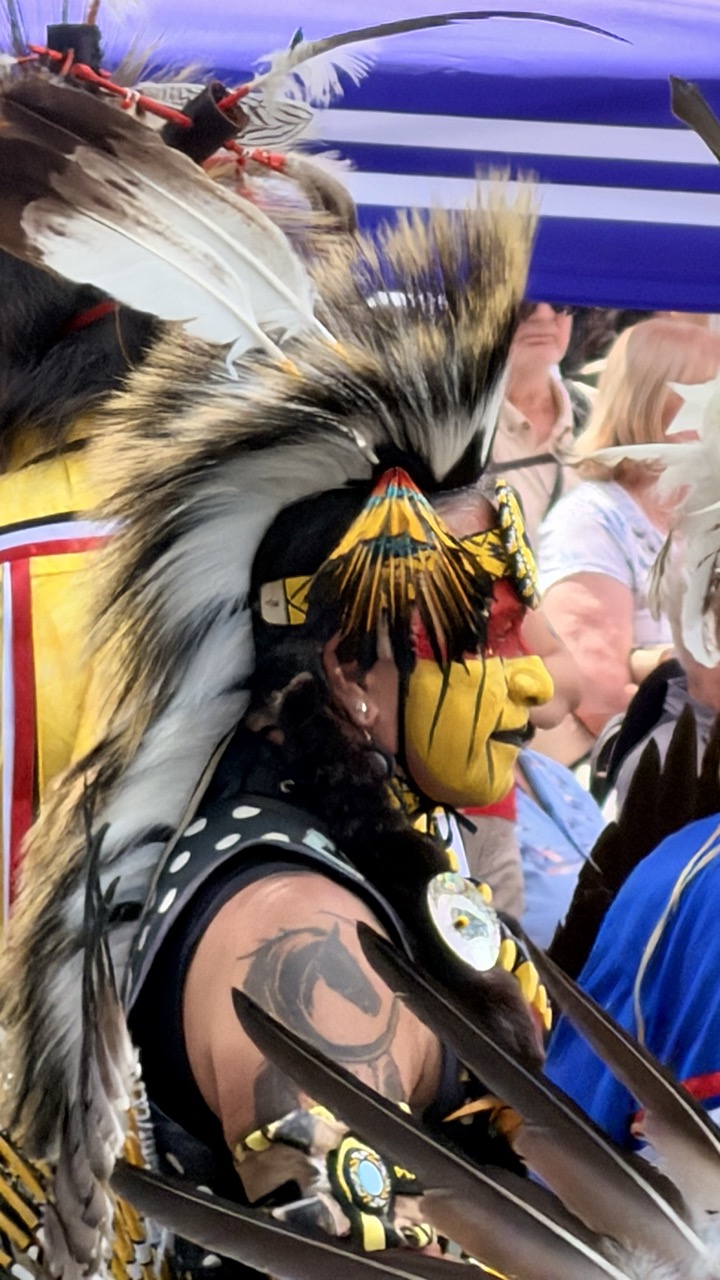
It is impossible not to be captivated by the dancers’ clothing.
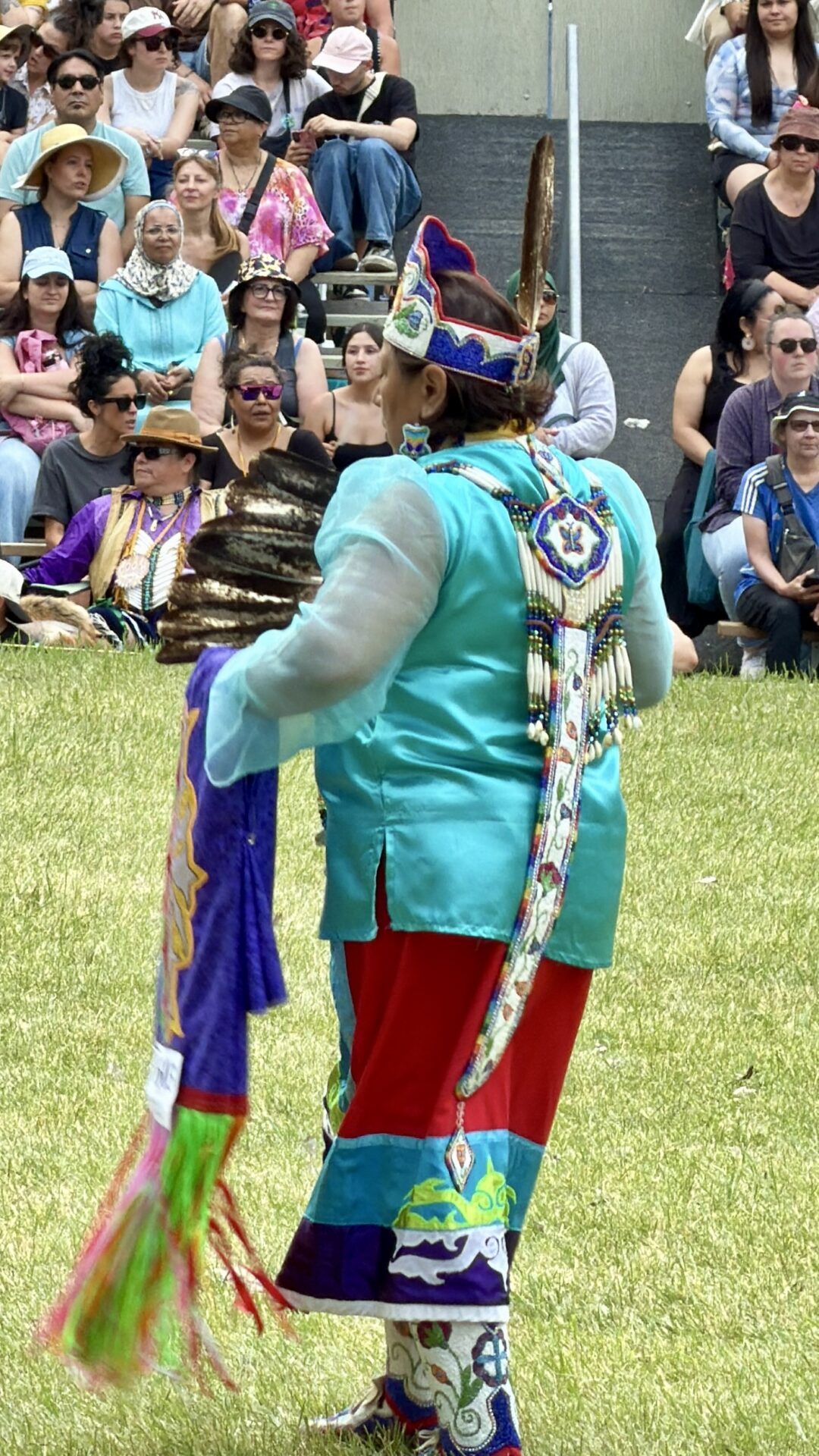
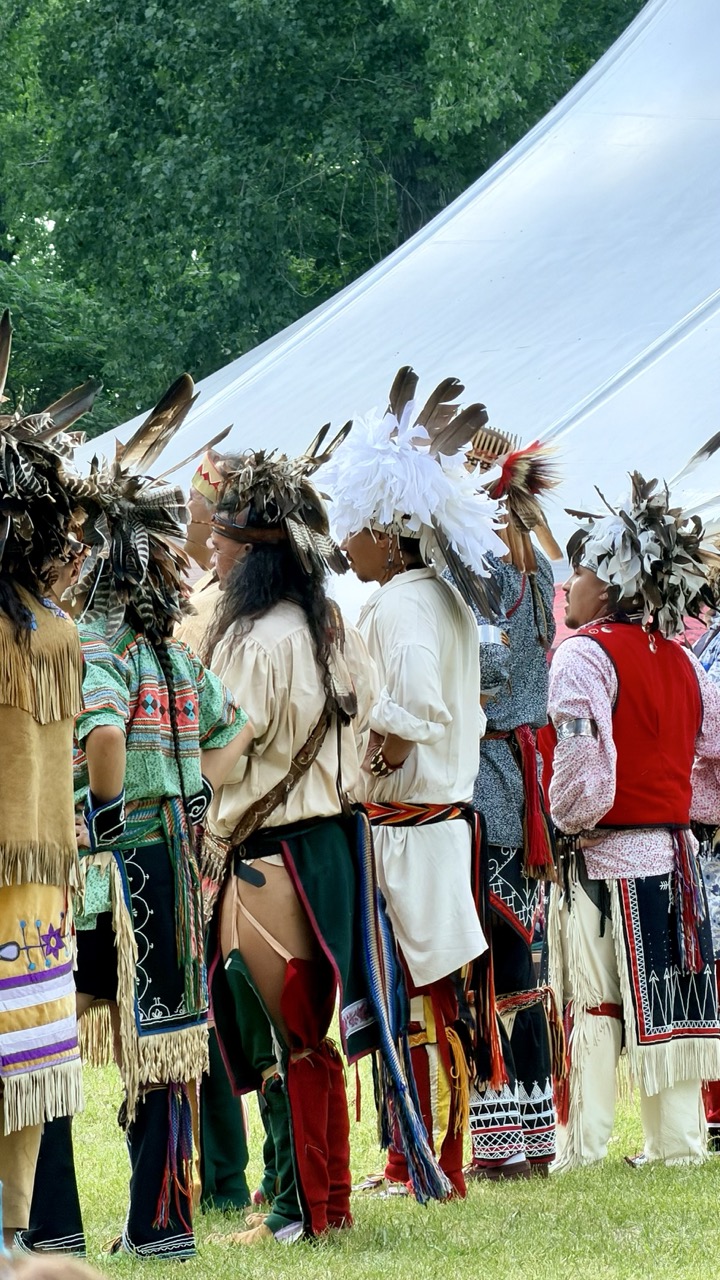
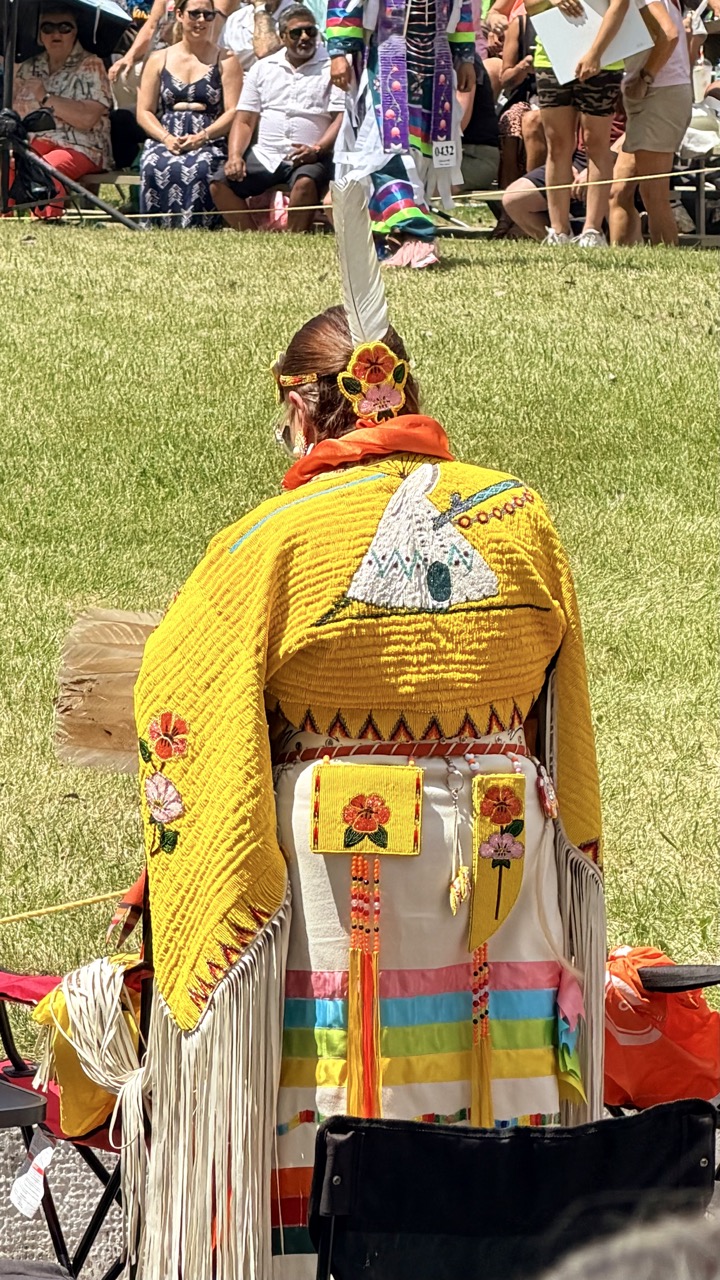
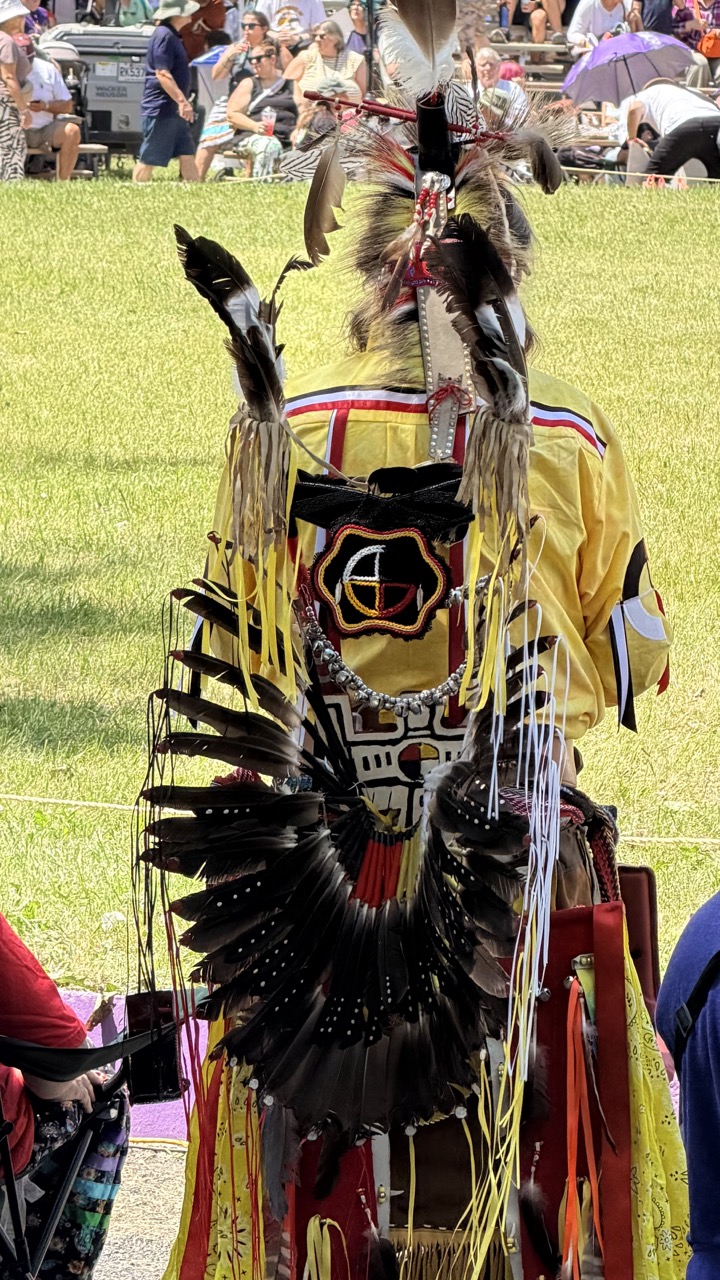
The instinct might be to call them costumes. However, Indigenous communities generally use the word regalia, because these garments carry deep personal and cultural significance. Many take months, or even years, to create.
Every detail has meaning: the beadwork, ribbons, feathers, jingles and colors. Some pieces have been passed down through generations of the same family.
Looking closely, you realize you are not simply admiring beautiful clothing. You are looking at someone’s story. And honestly… They are absolutely stunning.
More than dancing
Beyond the ceremonies, artisans display beautiful handmade jewelry, sculptures, traditional objects, clothing and artwork.
Further along, food vendors offer a wide variety of delicious meals and snacks.
Families gather under the trees, children laugh and run around. Some even wander into the central arena during the ceremonies, happily ignoring the ropes marking the boundaries. The Elders quietly watch the dances with warm smiles. I truly loved these moments.
Sometimes the best way to discover a culture is to simply sit down, observe, listen and let the place tell its own story.
A lesson in humility
Ever since I started traveling, I’ve tried to remind myself of one thing, although I don’t always succeed: I am a guest.
I’m not here to pretend I can “live like a local” for a few hours. I’m certainly not here to believe I can understand centuries of history in a single afternoon.
I’m here to learn, to listen, to observe. The Kahnawà:ke Pow-Wow reminded me of that.
In a world where we’re constantly trying to photograph everything (and yes… I probably took around 200 photos and videos whenever I could!), post everything and instantly share every experience, it feels refreshing to simply be present, to watch, to respect.
Why I think you should go
If you happen to be in Montreal during the Kahnawà:ke Pow-Wow, I wholeheartedly recommend spending a day there.
Not to tick another attraction off your travel list, not only to admire the magnificent regalia or listen to the powerful drums, but to experience a living culture, to understand that the First Nations are not simply a chapter in history books.
They continue to preserve and pass on their languages, traditions, songs and identity with remarkable strength.
Caroline and I arrived curious about a world we knew very little about. We left with much more than beautiful photographs. We left with a profound sense of gratitude.
Gratitude for having been welcomed, if only for one day, into a place where memory, tradition and pride continue to beat…
…to the rhythm of the drums.
Thank you.
Practical Information
The “Echoes of a Proud Nation” Kahnawà Pow-Wow takes place every year, usually in July, on Tekakwitha Island, about twenty minutes from downtown Montreal. It is one of the largest pow-wows open to the public in Quebec, and everyone is welcome, provided visitors respect the traditions and event guidelines.
- Official website: Kahnawà:ke Pow-Wow
- Admission (2026): CAD $10 per adult (CAD $5 for seniors aged 60+, free for young children according to the event’s conditions).
- Parking: Free parking is available on site.
- Public transportation: You can reach Kahnawà from Montreal using a combination of the metro and the Exo bus network, although driving is by far the easiest and most convenient option.
- Food: Numerous food vendors offer a wide variety of meals and snacks throughout the day.
- What to bring: Sunscreen, a hat or cap, sunglasses, a reusable water bottle and comfortable walking shoes.
- My tip: Arrive in the morning if you want to enjoy the entire event, find parking easily and experience all the ceremonies and competitions.